





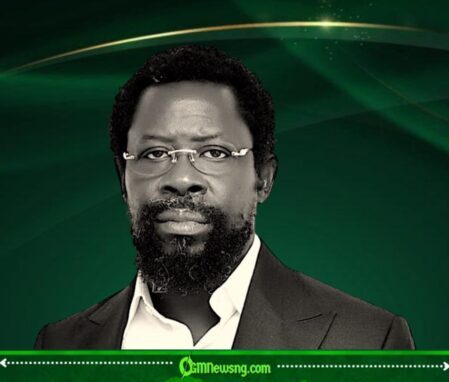
Democracy has become the centre of a renewed national debate after human rights lawyer and activist Dele Farotimi declared that Nigeria has never experienced genuine democracy. His argument, which challenges decades of electoral politics and civilian governance, has sparked widespread discussion about whether elections truly reflect the will of the people or merely create the appearance of public participation. The statement arrives at a sensitive moment when conversations about governance, accountability, and electoral credibility are gaining momentum across the country.
Farotimi’s remarks have drawn strong reactions because they strike at the heart of Nigeria’s political identity. Since the return to civilian rule in 1999, successive governments have celebrated democratic milestones, yet critics continue to question whether citizens possess sufficient influence over political outcomes. The controversy now raises an uncomfortable question: can a nation hold regular elections and still struggle to achieve genuine democratic representation?
Elections or Selection? Farotimi Challenges Nigeria’s Political System
Farotimi argued that Nigeria’s political structure does not provide citizens with meaningful control over leadership selection and governance. According to his position, the country’s electoral system has repeatedly failed to reflect the genuine preferences of voters, leaving many Nigerians feeling disconnected from political decision-making. His comments echo previous statements in which he questioned the credibility of elections and the extent to which democratic institutions function independently.
The activist’s criticism extends beyond voting procedures to broader concerns about governance and civic participation. Over the years, he has repeatedly suggested that restrictions on dissent, concerns about electoral transparency, and perceived weaknesses within democratic institutions undermine the democratic experience. These arguments have resonated with some citizens who believe that political competition often appears disconnected from the everyday priorities of ordinary Nigerians.
Elections and Public Confidence
The controversy emerges against a broader backdrop of national discussions about democracy and electoral reform. As preparations and political calculations for future elections continue, debates surrounding electoral credibility have become increasingly prominent. Concerns about voter trust, institutional independence, and political accountability remain recurring themes in Nigeria’s democratic discourse.
At the same time, Nigeria’s democratic journey continues to be officially celebrated by government institutions and many political stakeholders. Preparations for Democracy Day commemorations have highlighted the sacrifices made by pro-democracy activists and the country’s transition from military rule to civilian governance. Supporters of Nigeria’s democratic system argue that while imperfections remain, democratic institutions have expanded political participation and preserved constitutional government over the past two decades.
The debate sparked by Farotimi’s remarks is unlikely to disappear soon. Whether viewed as a warning about systemic shortcomings or as an overly harsh assessment of national progress, the discussion has once again forced Nigerians to examine the relationship between democracy, elections, and public power. As political conversations intensify ahead of future contests, OGM News Nigeria will continue monitoring how this growing debate shapes demands for reform, accountability, and citizen participation in governance.
Table of Contents
Discover more from OGM News NG
Subscribe to get the latest posts sent to your email.