






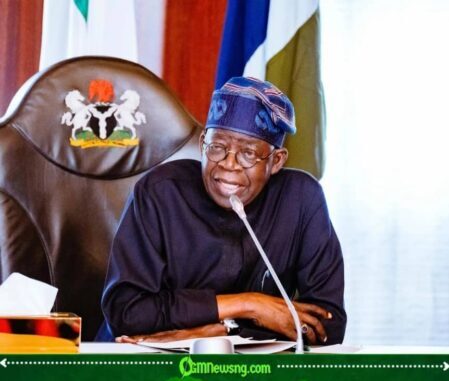
Fuel Subsidy remains at the center of Nigeria’s economic debate after President Bola Tinubu declared that his administration’s decision to remove the long-standing subsidy in the first moments of his presidency saved the country from imminent bankruptcy. The president’s remarks have renewed national discussions over whether the painful reforms that followed were a necessary rescue mission or an avoidable burden placed on citizens already facing economic hardship. While government officials point to rising revenues and stronger public finances, many Nigerians continue to weigh those claims against the realities of inflation and higher living costs.
President Claims Painful Reforms Prevented Economic Collapse
President Tinubu argued that the Fuel Subsidy system had become financially unsustainable, consuming vast amounts of public resources and placing significant pressure on government finances. By removing the subsidy immediately after taking office, the administration says it halted a spending model that threatened fiscal stability and limited the government’s ability to fund development priorities.
According to government officials, the resulting increase in public revenues has improved federal and state finances, allowing larger allocations to sub national governments and supporting investments in infrastructure and public services. The administration maintains that the difficult transition period was unavoidable and that the benefits of the Economic Reforms are beginning to emerge across the country, even if many citizens have yet to fully experience them.
President Insists Economic Reforms Are Working Despite Public Frustration
The Economic Reforms introduced since the subsidy removal have been accompanied by broader efforts to stabilize Nigeria’s finances, attract investment, and strengthen public revenue generation. Economic analysts have generally acknowledged that fuel subsidies placed a significant burden on public finances for years, although opinions remain divided on how the reforms were implemented and whether adequate measures were put in place to cushion their immediate impact on households.
The Fuel Subsidy removal also coincided with major changes in Nigeria’s foreign exchange system and wider fiscal restructuring efforts. While some indicators suggest improved government revenue performance and stronger state-level funding, inflation and cost-of-living pressures remain major concerns. Economists continue to debate how quickly the long-term gains of these Economic Reforms can outweigh the short-term economic pain experienced by businesses and consumers.
The coming months may prove critical in determining how history judges the Fuel Subsidy decision. If government revenues continue translating into visible improvements in infrastructure, social services, and economic opportunities, supporters will likely point to the reforms as a difficult but necessary correction. If living costs remain stubbornly high and public confidence weakens, critics may continue questioning whether the promised dividends of the Economic Reforms are reaching the citizens who have borne the greatest share of the sacrifice. OGM News Nigeria will continue monitoring developments and providing updates as the story evolves.
Table of Contents
Discover more from OGM News NG
Subscribe to get the latest posts sent to your email.