


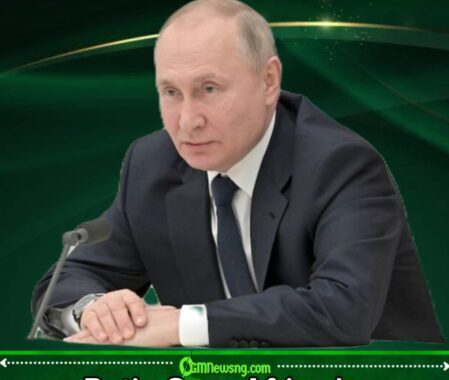
Africa’s growing role in global affairs has once again taken center stage after Russian President Vladimir Putin declared that the continent is rapidly emerging as a major force in world politics ahead of the Russia-Africa Summit. The remarks have triggered renewed international debate over whether Africa is finally gaining long-overdue geopolitical relevance or becoming the latest stage for global superpower competition. At a time when Western influence is being challenged across multiple regions, Russia’s aggressive diplomatic outreach toward African nations is being closely watched by governments, analysts, and investors around the world.
Global Affairs And The Believe In African Growth
Putin’s comments come as Russia continues efforts to strengthen political and economic relationships across Africa despite mounting pressure from Western nations over the ongoing war in Ukraine. Moscow has increasingly presented itself as an alternative partner to African governments, promoting cooperation in areas such as security, energy, agriculture, mining, and military support. Russian officials have repeatedly argued that Africa deserves a stronger voice in global institutions and decision-making processes.
The Russia-Africa Summit is expected to attract several African leaders seeking new economic opportunities and strategic partnerships. For many African governments, the growing interest from Russia, China, the United States, Turkey, and the European Union reflects the continent’s expanding importance in global affairs. Africa’s enormous reserves of critical minerals, rapidly growing population, and emerging markets have transformed the continent into one of the world’s most contested geopolitical regions. While some leaders view this competition as a chance to negotiate better deals and greater independence, critics warn that Africa risks becoming trapped in another era of foreign influence battles disguised as diplomatic friendship.
Influence And Power Restraint On African
The renewed focus on Africa also reflects broader changes in the global balance of power. Over the past decade, several African nations have adopted more independent foreign policies, refusing to align completely with either Western or Eastern political blocs. During recent United Nations votes linked to the Russia-Ukraine conflict, many African countries avoided taking extreme positions, signaling a growing desire to protect their own national interests rather than automatically follow traditional global alliances.
Analysts say Russia’s messaging toward Africa is carefully designed to appeal to frustrations over colonial history, unequal trade systems, and longstanding complaints about Western dominance in global institutions. Moscow frequently portrays itself as a supporter of a “multipolar world,” where power is shared among several regions instead of being concentrated in Europe and North America. However, critics argue that behind the diplomatic language lies a strategic effort by Russia to gain political allies, secure access to natural resources, and weaken Western influence across Africa.
Some observers have also pointed out that promises of partnership from foreign powers often increase whenever global crises intensify, leading to skepticism among younger Africans who question whether international powers are genuinely interested in Africa’s development or simply its resources and political support.
As preparations continue for the Russia-Africa Summit, Africa’s position in global affairs appears stronger and more visible than ever before. Whether this growing attention results in meaningful economic transformation, fairer partnerships, and greater political independence remains uncertain. What is increasingly clear, however, is that Africa is no longer being treated as a passive observer in international politics. The continent has become a decisive player whose choices could significantly shape the future direction of global affairs, and OGM News Nigeria will continue monitoring how world powers respond to Africa’s rising influence in the months ahead.
Table of Contents
Discover more from OGM News NG
Subscribe to get the latest posts sent to your email.