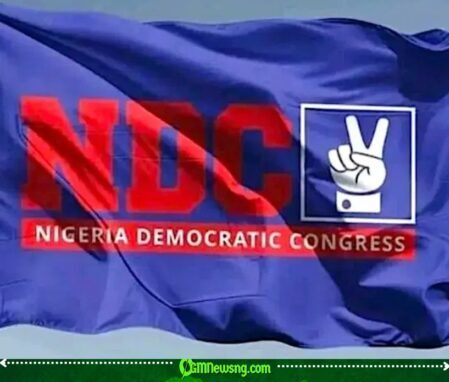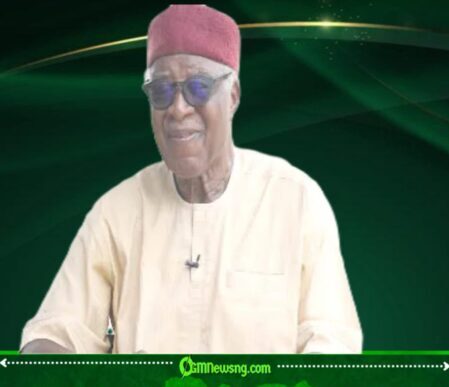










The Eighth-Term Paradox has emerged as a defining political conversation, drawing attention to Ebomo’s continued pursuit of relevance in a system increasingly criticized for rewarding endurance over innovation. What might once have been interpreted as admirable dedication is now provoking a more uncomfortable question: at what point does sustained leadership begin to challenge the very democratic ideals it claims to protect?
As public debate intensifies, Ebomo’s eighth-term agenda has become more than a personal political project. It has transformed into a symbol of a larger national struggle between continuity and change, forcing citizens to reconsider how political longevity should be measured—and whether leadership must eventually make room for renewal.
Continuity On Ebomo’s Eighth-Term
The Eighth-Term agenda appears rooted in the argument that unfinished work justifies extended service. Allies reportedly frame Ebomo’s persistence as evidence of commitment, institutional memory, and the ability to guide long-term development beyond the limitations of short political cycles.
Yet critics argue that the paradox lies precisely in this reasoning. While continuity can provide stability, excessive dependence on familiar leadership can also weaken democratic competition, discourage succession planning, and create a perception that political influence is becoming hereditary rather than accountable. In a democracy where trust is already fragile, repeated returns to power often invite scrutiny over whether leadership is serving the public—or preserving itself.
Legacy Of Ebomo’s Eighth Term
The Paradox surrounding Ebomo’s ambition also reflects a broader pattern within Nigerian politics, where public office is frequently treated as an extended personal mission rather than a temporary public trust. Analysts have long noted that debates over his Eighth term limits, political recycling, and elite dominance continue to shape how citizens interpret democratic progress.
Across the country, growing calls for generational leadership change suggest increasing impatience with systems perceived to reward political survival over measurable transformation. The conversation surrounding Ebomo therefore extends beyond one figure; it highlights a larger demand for stronger institutions capable of outliving individual personalities and reducing dependence on political permanence.
In the end, the Eighth-Term Paradox may prove more significant than the political future of one individual. It forces Nigeria to confront an enduring democratic dilemma: whether experience should continue to outweigh renewal, or whether true political legacy is defined not by how long leaders remain—but by how willingly they prepare others to succeed them. OGM News Nigeria will continue monitoring how this unfolding debate reshapes public expectations of leadership, accountability, and democratic evolution.
Table of Contents
Discover more from OGM News NG
Subscribe to get the latest posts sent to your email.