









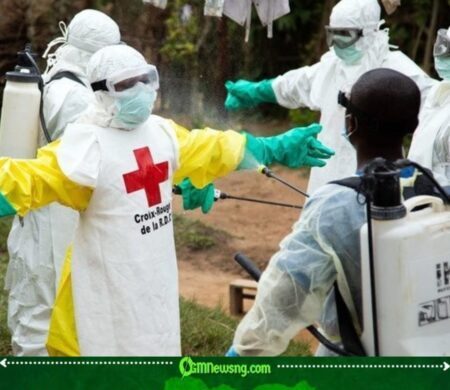
Ebola emergency fears are once again dominating international health discussions after the World Health Organization declared a global health emergency linked to the escalating outbreak affecting parts of Congo and Uganda. The announcement has intensified concerns over regional instability, fragile healthcare systems, and the possibility of cross-border transmission in densely connected communities. While officials insist containment efforts are already underway, the declaration has revived memories of previous Ebola crises that exposed deep weaknesses in global emergency preparedness and coordination.
Ebola Panic Returns as Global Health Officials Scramble for Answers
The Ebola emergency declaration follows reports of rising infections and heightened monitoring efforts across affected regions in Congo and Uganda. Health officials are said to be focusing heavily on isolating infected individuals, tracing contacts, and strengthening border surveillance as fears grow over population movement between vulnerable communities. International medical teams have also reportedly been deployed to assist local authorities struggling with limited healthcare infrastructure and shortages of critical medical supplies.
Ebola remains one of the world’s deadliest viral diseases, often spreading through direct contact with infected bodily fluids and contaminated materials. Past outbreaks in Central and West Africa demonstrated how quickly local infections can escalate into international emergencies when response systems are delayed or poorly coordinated. The latest Ebola emergency has therefore triggered immediate global concern, especially as public anxiety and misinformation continue spreading online alongside official updates from health agencies.
WHO Raises Alarm Over Fast-Spreading Ebola Outbreak in Central Africa
The Ebola outbreak has also reignited criticism surrounding global health responses and long-term investment in African healthcare systems. Public health analysts argue that repeated outbreaks continue exposing the same structural weaknesses, including underfunded hospitals, limited laboratory capacity, and inconsistent emergency preparedness across vulnerable regions. Some observers have questioned whether international agencies and governments reacted quickly enough after early warning signs reportedly emerged.
Beyond the immediate medical response, the Ebola emergency is expected to place additional economic and social pressure on affected communities. Previous outbreaks caused disruptions to trade, education, travel, and public trust in government institutions. In some areas, health workers historically faced resistance fueled by fear, misinformation, and conspiracy theories that complicated containment operations. Analysts warn that maintaining public confidence may become just as important as the scientific response itself if authorities hope to prevent further escalation.
The Ebola emergency now stands as another major test for international health coordination in an era where outbreaks can rapidly become global concerns. While officials continue emphasizing that containment remains possible, the coming weeks may determine whether the situation stabilizes or develops into a wider international crisis. OGM News Nigeria will continue monitoring developments surrounding the Ebola outbreak, regional containment efforts, and the broader implications for global public health systems.
Table of Contents
Discover more from OGM News NG
Subscribe to get the latest posts sent to your email.