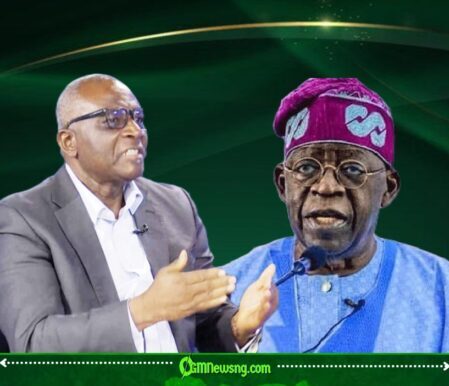





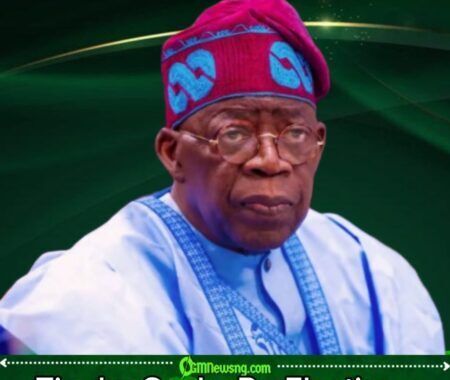
President Bola Ahmed Tinubu has defended his administration’s economic reforms and signalled his readiness for another term in office, arguing that the difficult decisions taken since 2023 were necessary to rescue Nigeria’s economy from long-standing structural problems. The president’s remarks come at a time when millions of Nigerians continue to grapple with inflation, rising transportation costs, and shrinking purchasing power, even as government officials celebrate positive signals from international financial institutions and investors.
At the centre of Tinubu’s argument is the claim that Nigeria’s economy required urgent surgery rather than cosmetic treatment. The president insists that fuel subsidy removal, exchange-rate liberalisation, and tax reforms were painful but unavoidable measures designed to stabilise public finances and restore investor confidence. Supporters within the administration describe the policies as the foundation of a long-term recovery plan, while critics argue that ordinary citizens have become unwilling participants in an economic experiment with no immediate relief in sight.
President Bola Ahmed Tinubu: Subsidy And Necessary Steps Toward Freedom
The removal of fuel subsidy remains the defining policy of Tinubu’s presidency so far. Introduced almost immediately after he assumed office in May 2023, the policy triggered a sharp increase in fuel prices across the country, leading to higher transport fares, increased food prices, and broader inflationary pressure. Government officials repeatedly argued that the subsidy system mainly benefited smugglers and drained public funds that could have been invested in infrastructure, healthcare, and education.
Tinubu has continued to defend the decision despite public frustration. According to the presidency, maintaining the subsidy regime would have worsened Nigeria’s fiscal crisis and increased dependence on borrowing. The administration has also linked recent reforms to improved foreign exchange inflows and renewed interest from foreign investors. The president further praised industrial projects such as the Dangote Refinery, describing them as critical to reducing Nigeria’s dependence on imported petroleum products and strengthening domestic production capacity.
Reforms On Strategic Future Realistic
Recent developments in Nigeria’s financial outlook have given the administration fresh talking points. S&P Global Ratings recently upgraded Nigeria’s outlook, marking the first major positive rating movement for the country in over a decade. Government officials quickly presented the development as evidence that the reforms are beginning to gain international credibility, particularly among investors concerned about fiscal discipline and currency stability.
However, economic analysts caution that international confidence does not automatically translate into immediate improvement in living conditions. Inflation remains high, the naira continues to face pressure, and many households are struggling with reduced purchasing power. Labour unions and civil society groups have repeatedly demanded stronger social protection measures, wage adjustments, and more visible interventions to cushion the effects of the reforms on vulnerable Nigerians.
Political observers also note that Tinubu’s comments about continuing his “work” effectively signal the early shaping of a re-election narrative ahead of 2027. By framing the reforms as incomplete but necessary, the administration appears to be asking Nigerians for more time to prove that the sacrifices will eventually produce measurable economic gains. Critics, however, argue that patience among citizens may continue to weaken if improvements fail to reach everyday Nigerians before the next election cycle.
As debates over subsidy removal and economic reforms continue, the Tinubu administration faces the difficult task of balancing international investor confidence with growing domestic frustration. The coming months may determine whether Nigerians ultimately view the current reforms as painful but visionary, or simply another chapter in the country’s long history of economic promises that demanded sacrifice long before delivering relief. OGM News Nigeria will continue monitoring developments surrounding the reforms, inflation trends, and the political consequences shaping Nigeria’s road to 2027.
Table of Contents
Discover more from OGM News NG
Subscribe to get the latest posts sent to your email.