





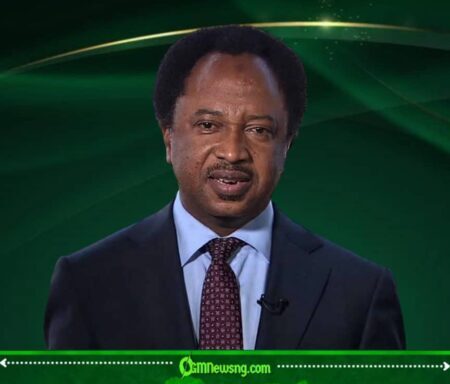
political conversation after former Kaduna senator and APC senatorial aspirant, Shehu Sani, warned that many Nigerians focus almost entirely on presidential elections while paying little attention to those contesting legislative seats. His remarks touched a familiar nerve in a country where presidential campaigns often dominate headlines, street discussions, and online arguments, while Senate and House races quietly slip beneath public scrutiny until controversial laws or policies emerge.
Sani argued that this long-standing voter culture repeatedly places enormous national attention on one office while underestimating the influence of lawmakers who approve budgets, screen appointees, investigate government agencies, and shape laws affecting everyday life. His comments have since fueled fresh debates about whether Nigerians unintentionally weaken democratic accountability by overlooking legislative elections until governance problems begin to surface.
Ballot Blindness and Nigeria’s Presidential Obsession
Speaking as an APC aspirant for the Kaduna Senatorial seat, Sani stated that Nigerians tend to take presidential contests seriously while showing far less concern about senators, House of Representatives members, and State Assembly lawmakers. According to him, this imbalance creates governance problems because legislative institutions hold enormous constitutional powers capable of influencing the direction of the country regardless of who occupies the presidency.
The comments arrive at a time when political observers continue to examine voter behavior during Nigeria’s recent election cycles. Presidential elections in the country routinely attract intense media coverage, celebrity endorsements, religious interpretations, and regional rivalries, while legislative candidates often receive limited public scrutiny despite controlling constituency projects, oversight responsibilities, and key national policy decisions. Critics of the system argue that many voters passionately defend presidential candidates online yet remain unfamiliar with the voting records or qualifications of lawmakers representing their own districts.
Shehu Sani: Lawmakers Quietly Shape Policies Nigerians Later Protest
Ballot Blindness also reflects a broader concern repeatedly raised by governance experts who argue that legislatures wield substantial influence over economic and political outcomes. Nigeria’s National Assembly has historically played central roles in constitutional amendments, budget negotiations, subsidy debates, borrowing approvals, and oversight investigations capable of affecting fuel prices, public spending, infrastructure development, and institutional accountability across the country.
Political analysts further note that legislative elections frequently experience lower public engagement compared to presidential races despite lawmakers often determining the speed, direction, or obstruction of executive policies. In several democratic systems worldwide, strong legislatures have either restrained presidents or amplified their power through alliances and party loyalty. In Nigeria, however, public frustration often targets presidents directly while lawmakers escape sustained scrutiny except during scandals, controversial allowances, or viral parliamentary confrontations.
As debates over electoral awareness continue, Sani’s remarks may further intensify conversations about whether Nigerians should begin treating legislative contests with the same emotional energy reserved for presidential elections. For now, the warning over Ballot Blindness has reopened an uncomfortable national question: if citizens ignore those writing the laws, approving the budgets, and shaping oversight, can they truly blame only the president when governance disappoints?
Table of Contents
Discover more from OGM News NG
Subscribe to get the latest posts sent to your email.