








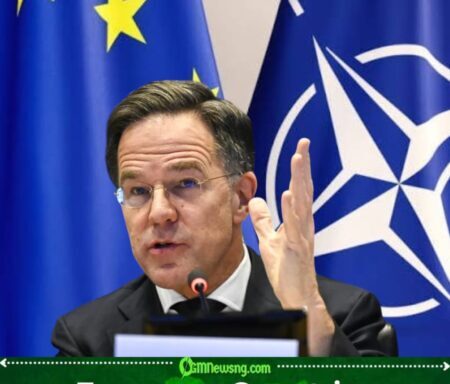
European countries are reportedly exploring plans to establish new legal and operational frameworks within NATO in the event of a potential withdrawal by the United States, signaling a major shift in the alliance’s structure and long-term strategy. The discussions reflect growing awareness among European leaders of the need to prepare for changing geopolitical realities.
The idea of restructuring NATO without its most powerful member represents a significant development, as the alliance has historically relied heavily on U.S. military capabilities and leadership. Such a transition would require careful planning and unprecedented coordination among European states.
While no final decisions have been announced, the possibility alone has sparked intense debate about the future of transatlantic security and cooperation.
European Countries and Strategic Autonomy
European countries are increasingly emphasizing the concept of strategic autonomy, seeking to strengthen their own defense capabilities independent of external support. This shift is driven by a desire for greater control over regional security decisions.
The proposed changes to NATO’s structure could include new command systems, funding mechanisms, and defense policies tailored to European priorities.
Advocates argue that such reforms would enhance resilience and reduce reliance on any single nation.
Historical Role of NATO
European countries have long been part of NATO’s collective defense framework, which was originally established to ensure mutual protection among member states. The alliance has played a central role in maintaining stability in the Euro-Atlantic region.
The United States has traditionally been the cornerstone of NATO’s military strength, contributing significant resources and leadership.
Any move to restructure the alliance would represent one of the most significant transformations in its history.
European Countries and International Reactions
European countries’ discussions about reshaping NATO have drawn mixed reactions from global observers, with some viewing the move as a necessary evolution and others expressing concern about its potential impact.
Allied nations outside Europe are also closely monitoring the situation, as changes within NATO could affect broader security arrangements.
The debate highlights the interconnected nature of global defense systems and the importance of maintaining stability.
Challenges and Practical Considerations
European countries face numerous challenges in implementing such a transformation, including aligning defense budgets, coordinating military capabilities, and establishing unified leadership structures.
Differences in national priorities and political perspectives could complicate efforts to reach consensus.
Despite these obstacles, the discussions underscore a willingness to adapt to new strategic realities.
European countries are expected to continue evaluating their options, with further discussions likely to shape the direction of NATO’s future. The outcome will depend on both internal consensus and external developments.
The evolving security landscape will play a critical role in determining whether these plans move forward or remain theoretical.
Ultimately, the situation reflects a broader shift toward rethinking traditional alliances and exploring new approaches to collective defense in an increasingly complex world.
Table of Contents
Discover more from OGM News NG
Subscribe to get the latest posts sent to your email.