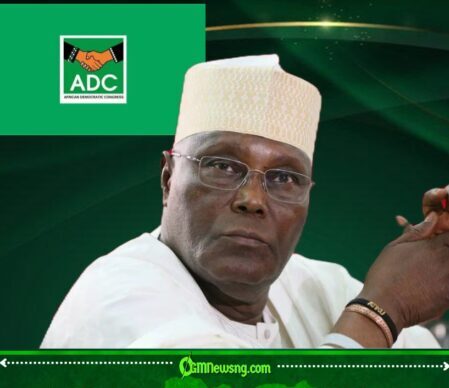





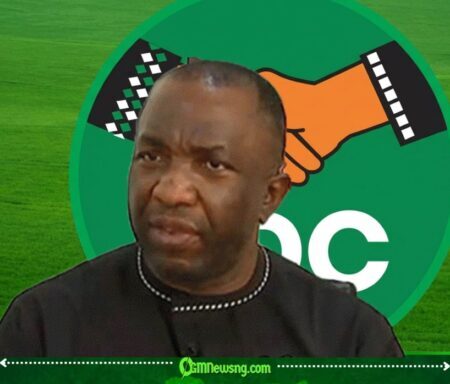
Nigeria’s political landscape is witnessing renewed tension as the African Democratic Congress (ADC) intensifies its rhetoric ahead of the 2027 general elections, declaring itself the only viable platform capable of rescuing the country from its mounting challenges. This assertion comes from former national chairman Ralph Nwosu, who criticised recent decisions by the Independent National Electoral Commission (INEC) regarding the party’s leadership recognition.
Nwosu’s comments follow a controversial ruling that has deepened internal divisions within the ADC and sparked protests at INEC headquarters in Abuja. The unfolding situation highlights broader concerns about political interference, institutional independence, and the future of opposition politics in Nigeria.
Leadership Dispute Deepens Crisis Within ADC
The ADC has been embroiled in a leadership tussle involving figures such as David Mark and Rafiu Bala, following a ruling by the Court of Appeal which influenced INEC’s stance on party recognition. INEC’s refusal to engage with either faction has further complicated efforts to stabilise the party’s internal structure.
Nwosu rejected the notion of factional leadership within the party, questioning how a single individual could constitute a faction. He described the crisis as politically motivated, alleging external interference designed to weaken the ADC’s growing influence ahead of the next electoral cycle.
The situation escalated when party members staged protests at INEC’s headquarters, accusing the electoral body of undermining democratic principles. The demonstrations reflect rising frustration among opposition supporters who believe institutional decisions are being influenced by partisan interests.
Allegations Against APC and Presidential Influence
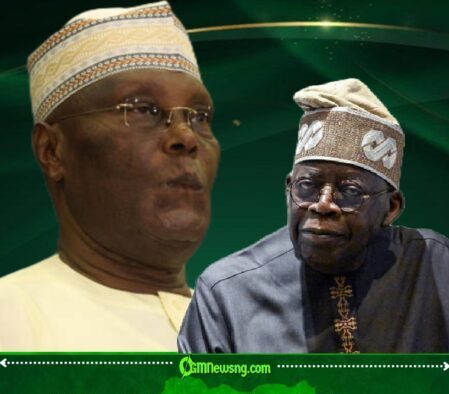
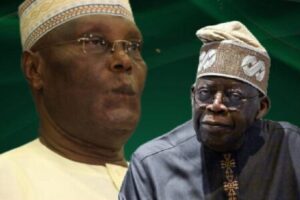
In a strongly worded critique, Nwosu accused the ruling All Progressives Congress (APC) of orchestrating efforts to destabilise opposition parties. He specifically referenced Bola Tinubu, alleging that the president’s political influence extends beyond party lines into national institutions.
According to Nwosu, the political dominance previously seen in Lagos has been replicated at the national level, weakening opposition structures and consolidating power within the APC. He argued that such developments pose a threat to Nigeria’s democratic balance and political diversity.
While these claims remain contested, they underscore growing tensions between the ruling party and opposition coalitions. Political analysts note that such accusations, if unaddressed, could further polarise the political environment as the 2027 elections approach.
ADC Emerges as Coalition Platform for Opposition Figures
Despite internal challenges, the ADC has gained prominence as a rallying platform for several influential opposition leaders. Notable figures such as Peter Obi, Atiku Abubakar, Rauf Aregbesola, and Rotimi Amaechi have reportedly aligned with the party as part of a broader coalition strategy.
The coalition aims to consolidate opposition strength and present a unified front against the APC in the 2027 elections. However, the ongoing leadership dispute and INEC’s position may pose significant obstacles to this ambition.
Observers suggest that the ADC’s ability to resolve its internal conflicts and maintain cohesion among its diverse political stakeholders will be critical to its credibility as a national alternative. The coming months are expected to be decisive in determining whether the party can transform its bold claims into a viable political movement
Table of Contents
Discover more from OGM News NG
Subscribe to get the latest posts sent to your email.