





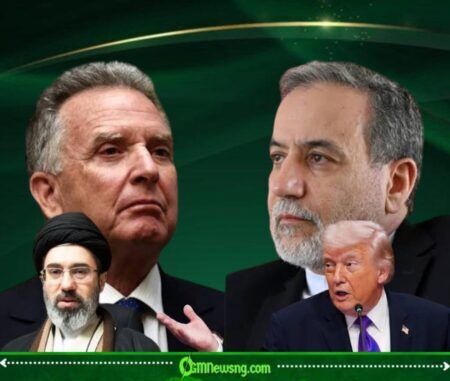
United States officials are reportedly preparing for potential in-person talks with Iran, signaling a possible shift toward direct diplomatic engagement after a prolonged period of heightened tensions and indirect communication. According to emerging reports, the discussions could involve senior leadership, including Vice President JD Vance, reflecting the seriousness of the effort to address longstanding disputes between the two nations.
The move suggests a willingness on both sides to explore dialogue as a means of reducing tensions and finding common ground on critical issues such as nuclear development, regional security, and economic sanctions. While details remain limited, the possibility of face-to-face talks has generated cautious optimism among diplomatic observers.
Analysts note that such engagement could mark a significant turning point, particularly if it leads to sustained negotiations and concrete outcomes. However, skepticism remains, given the complex history of relations between the United States and Iran.
Diplomatic Strategy and Key Objectives
United States policymakers appear to be approaching the talks with a clear set of objectives, including addressing concerns over Iran’s nuclear activities and its role in regional conflicts. The involvement of high-level officials indicates that the administration is prioritizing the effort as part of a broader foreign policy strategy.
The potential inclusion of Vice President JD Vance underscores the importance of the talks, as it signals a commitment to direct and meaningful engagement. Such participation could also lend additional weight to the negotiations, increasing the likelihood of substantive progress.
Experts suggest that establishing trust will be a critical challenge, as both sides have previously expressed doubts about each other’s intentions. Confidence-building measures may play a key role in shaping the outcome of the discussions.
United States and Iran Engagement Dynamics
United States representatives are expected to navigate a delicate balance during the talks, combining diplomatic outreach with firm positions on key issues. This approach reflects the broader challenge of engaging with a longstanding adversary while maintaining strategic interests.
Iranian officials, for their part, are likely to seek relief from economic sanctions and assurances regarding their sovereignty and security. These competing priorities highlight the complexity of the negotiations and the potential for both progress and setbacks.
Observers emphasize that successful engagement will require careful negotiation, clear communication, and a willingness to compromise on both sides. The stakes are high, with implications for regional stability and global security.
Regional and Global Implications
United States efforts to initiate talks with Iran have drawn attention from allies and adversaries alike, with many closely monitoring the developments. The outcome of the discussions could have far-reaching consequences for the Middle East and beyond.
Regional partners may view the talks as an opportunity to de-escalate tensions and reduce the risk of conflict, while others may express concern about potential concessions. The dynamics of these relationships will likely influence the broader diplomatic landscape.
Global markets, particularly in the energy sector, are also sensitive to developments in U.S.-Iran relations, as any changes could impact oil supply and pricing. The economic dimension adds another layer of complexity to the situation.
Political Reactions and Public Discourse
United States leaders have begun to respond to the reports of potential talks, with reactions ranging from cautious support to outright skepticism. The involvement of Vice President JD Vance has become a focal point in these discussions, reflecting the political significance of the move.
Public discourse has also intensified, with commentators debating the merits and risks of engaging directly with Iran. Supporters argue that diplomacy is essential for avoiding conflict, while critics question whether meaningful progress can be achieved.
Media coverage has played a key role in shaping the narrative, highlighting both the opportunities and challenges associated with the proposed talks. The issue has quickly become a major topic of national and international interest.
Looking Ahead
United States officials are expected to continue preparations for the talks, with further details likely to emerge in the coming days. The timing, location, and agenda of the discussions will be critical factors in determining their success.
The path forward remains uncertain, as both sides must navigate a complex web of political, strategic, and historical factors. The potential for breakthroughs exists, but so does the risk of renewed tensions if negotiations falter.
Ultimately, the prospect of in-person talks represents a significant moment in U.S.-Iran relations, offering a chance to reshape the trajectory of one of the most challenging diplomatic relationships in the modern era.
Table of Contents
Discover more from OGM News NG
Subscribe to get the latest posts sent to your email.