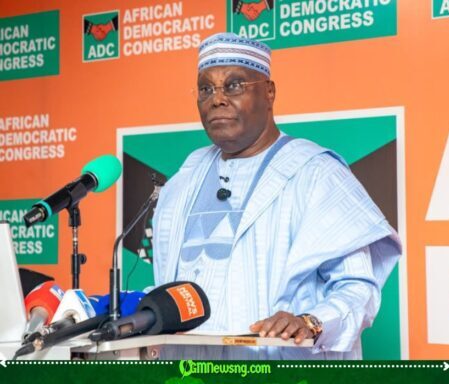




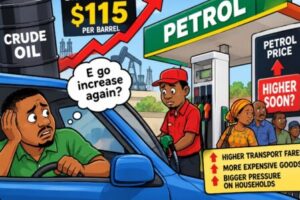


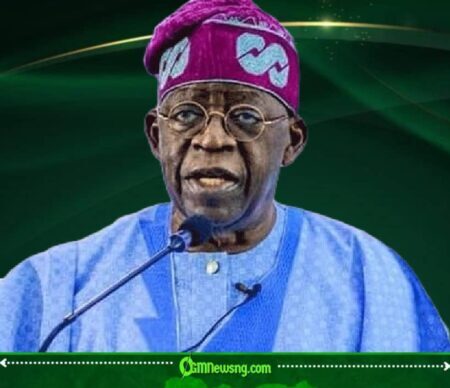
President Bola Ahmed Tinubu has issued a strong warning that the ongoing Middle-East crisis poses a serious threat to Nigeria’s economic stability, particularly in relation to rising inflation. President Tinubu emphasized that geopolitical tensions in the region are already shaking global markets, with crude oil prices reacting sharply to uncertainty and supply fears.
According to President Bola Ahmed Tinubu, Nigeria’s economy is highly exposed to external shocks despite being an oil-producing nation. He noted that disruptions in the Middle East often translate into higher global energy prices, which Nigeria ultimately feels due to its dependence on imported refined petroleum products. This dependency, he explained, makes the country vulnerable to international crises beyond its control.
President Bola Ahmed Tinubu further stressed that the global interconnectedness of economies means Nigeria cannot operate in isolation. As tensions escalate, he warned that increased costs in energy and logistics will inevitably trickle down into the domestic market, affecting everything from transportation to food prices and industrial production.
President Bola Ahmed Tinubu Highlights Inflation Risks and Falling Purchasing Power
President Bola Ahmed Tinubu clearly outlined the economic consequences of the Middle-East crisis, stating that inflation in Nigeria is likely to spike as global prices rise. He explained that higher oil prices will increase the cost of importing fuel, which in turn drives up the cost of goods and services nationwide. For President Tinubu, this represents a major concern for economic stability.
In his remarks, President Tinubu pointed out that the average Nigerian will feel the direct impact through reduced purchasing power.
As inflation rises, incomes remain relatively unchanged, making it harder for households to afford basic needs such as food, transportation, and healthcare. President Tinubu acknowledged that low- and middle-income earners would bear the brunt of these economic pressures.
President Tinubu also referenced broader economic indicators, noting that currency fluctuations and global uncertainty could worsen the situation. He warned that declining consumer confidence and reduced spending could slow economic growth, further complicating recovery efforts and deepening financial strain on citizens.
President Bola Ahmed Tinubu Outlines Government Measures to Cushion Impact
President Tinubu reassured Nigerians that his administration is not ignoring these challenges, outlining several measures aimed at reducing the impact of the crisis. He highlighted ongoing reforms focused on boosting local refining capacity, which he believes will reduce Nigeria’s reliance on imported petroleum products over time.
Additionally, President Tinubu emphasized the importance of strengthening the nation’s foreign exchange framework and supporting local production. By investing in domestic industries and improving infrastructure, President Tinubu said the government aims to build resilience against global economic shocks and stabilize prices in the long run.
President Tinubu concluded by urging Nigerians to remain patient as these policies take effect. While acknowledging that the road ahead may be difficult, President Tinubu maintained that strategic planning and sustained reforms will help cushion the effects of the Middle-East crisis and secure a more stable economic future for Nigeria.
Table of Contents
Discover more from OGM News NG
Subscribe to get the latest posts sent to your email.