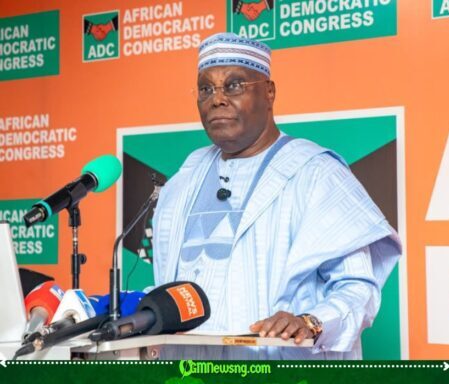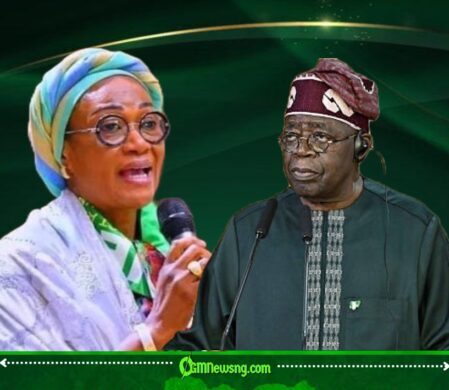





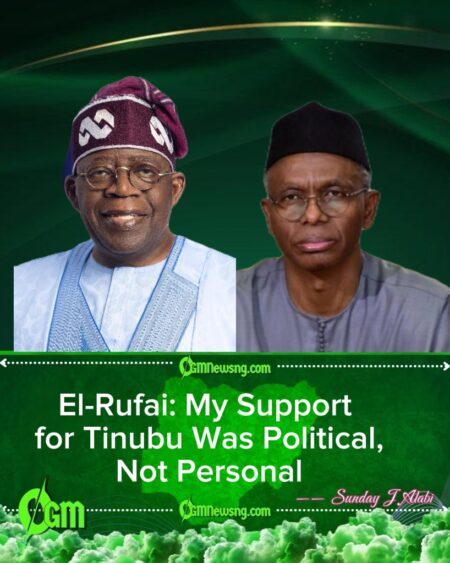
Former Kaduna State Governor and ex-Minister of the Federal Capital Territory, Mallam Nasir El-Rufai, has rejected claims that he fell out personally with President Bola Ahmed Tinubu, insisting that no personal friendship ever existed between them. El-Rufai said his involvement in Tinubu’s 2023 presidential campaign was based strictly on party loyalty and political calculations within the All Progressives Congress (APC), not on any private relationship.
Speaking during an interview on Trust TV on Monday, the former governor explained that his actions before and during the election followed long-standing political principles and internal party arrangements, adding that disagreements which later emerged were ideological rather than personal
Support Rooted in Party Loyalty, Not Personal Ties
El-Rufai stated that his decision to back Tinubu’s presidential ambition stemmed from consultations and expectations within the APC following the completion of President Muhammadu Buhari’s eight-year tenure. According to him, there was a widely understood zoning arrangement that power would rotate to the South, making a southern presidency inevitable.
He explained that discussions around his support began after he was approached by Islamic stakeholders from the South-West, who encouraged him to support the emergence of a Muslim presidential candidate from the region. El-Rufai noted that these engagements were political in nature and aligned with broader party interests rather than any personal allegiance to Tinubu.
The former governor stressed that once Tinubu emerged as the APC’s flag bearer, he felt bound by party discipline to commit fully to the campaign. He said his approach has always been to support his party’s candidate in any election, regardless of personal preferences.
Post-Election Ideological Differences With the Tinubu Administration
Addressing reports of a fallout after the election, El-Rufai said the issue was not a disagreement between friends but a failure to find common ground on governance philosophy. He maintained that his own approach to public service prioritises service delivery and accountability over personal gain.
According to him, the governing style of the current administration differs fundamentally from his beliefs and values, particularly regarding the purpose of holding public office. He described the differences as deep-seated and ideological, rather than political disagreements that could be easily reconciled.
El-Rufai added that these contrasting views made collaboration difficult, noting that both sides simply operate from different perspectives on leadership and public responsibility.
El-Rufai Rejection of Ministerial Appointment
The former governor also revealed that his decision to decline a ministerial appointment offered by President Tinubu was informed by these same ideological differences. He said accepting the position would have been inconsistent with his principles and would likely have resulted in an early resignation.
El-Rufai explained that he prefers to step aside rather than participate in a system that conflicts with his beliefs about governance and public service. He emphasised that his stance was personal and principled, not driven by resentment or personal animosity.
He concluded by reiterating that his political choices, both before and after the election, were guided by long-held convictions rather than personal relationships.
Table of Contents
Discover more from OGM News NG
Subscribe to get the latest posts sent to your email.