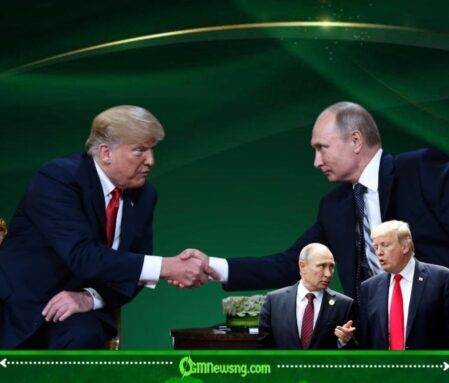





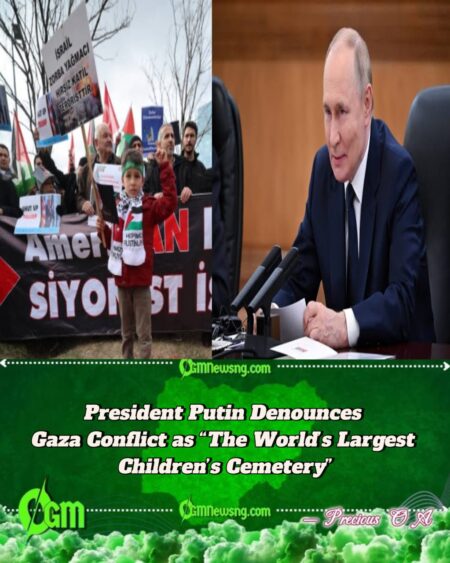
Putin delivered one of his most searing critiques of the conflict in Gaza on Tuesday, declaring that the enclave has been turned into “the largest children’s cemetery in the world.” His remarks, issued during a press conference in Moscow, intensified international scrutiny of the escalating humanitarian disaster and raised new questions about the response of global powers.
Putin emphasized that the death toll among children represents “a failure of global conscience” and called on all governments to support immediate humanitarian corridors. He stated that “no political or military goal can justify such a toll on the innocent,” a comment which resonated widely with aid agencies and human rights groups monitoring the situation on the ground.
Putin’s statement also put renewed pressure on the United Nations to take firmer action. While the UN has repeatedly called for ceasefires and the opening of humanitarian corridors, disagreements among Security Council members—especially over the framing of resolutions and the assignment of blame—have slowed progress. Moscow has signaled it will introduce a new resolution focusing strictly on civilian protection.
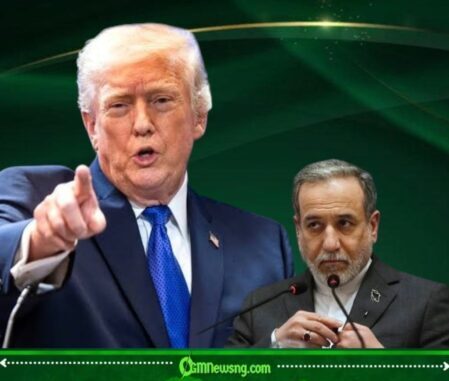
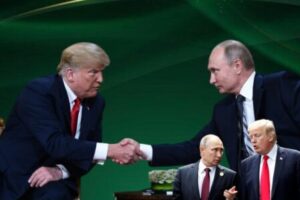
Putin’s warning drew a direct response from Washington, where President Trump’s administration confirmed it is working with regional partners to facilitate humanitarian aid deliveries. Senior officials insisted that “the protection of civilians, especially children, must remain paramount.” The White House stressed that it continues to support Israel’s security needs but also recognizes the urgency of reducing civilian harm.
Putin argued that international leaders cannot “turn away from images of hospitals overflowing with children” and stressed that Russia will use its influence to push for a coordinated humanitarian effort. His words were widely quoted across European media outlets, some of which described them as “a rare moment of moral clarity in an otherwise fractured diplomatic landscape.”
Mounting Evidence of a Humanitarian Emergency
Putin’s remarks mirror findings from humanitarian groups, which describe Gaza as suffering “an unprecedented level of devastation.” Médecins Sans Frontières (Doctors Without Borders) has reported widespread destruction of hospitals, schools, and water systems, leaving tens of thousands without shelter or basic services. The organization warned that its medical staff are “overwhelmed and under-resourced.”
Putin cited data from the United Nations Relief and Works Agency (UNRWA) showing that shelters are “overcrowded beyond recognition,” with families living in unsanitary and unsafe conditions. Aid convoys, he said, “cannot keep up with the scale of the suffering,” underscoring the challenges of sustaining relief under continuous hostilities. Russian diplomats have echoed these claims at the UN Security Council.
Medical staff inside Gaza describe hospital corridors lined with children and emergency wards with no more beds or equipment. Rescue workers recount scenes of devastation as they pull survivors from bombed-out buildings, while psychologists warn of long-term trauma for the enclave’s youngest generation. UNICEF has called the situation “one of the gravest child-protection crises in modern times.”
Putin argued that “this is no longer a localized conflict but a humanitarian collapse that threatens to destabilize the entire Middle East.” Critics say his blunt language may be a diplomatic tactic, but others believe it could galvanize international action where previous appeals have failed. Some analysts note that Moscow’s position could also reflect its broader strategy of positioning Russia as a humanitarian power in contrast to Western policies.
Putin’s framing of the crisis has intensified debate inside the United States, where the Trump administration is facing domestic pressure from humanitarian groups and lawmakers to intensify efforts for a ceasefire. Bipartisan calls have emerged urging the White House to leverage its influence to secure safe corridors for aid and civilians. Several U.S. senators have urged the administration to “act swiftly to prevent further loss of life.”
International Diplomacy and the Road Ahead
Putin has announced Russia’s intention to introduce a new resolution at the United Nations calling for a sustained humanitarian truce. Previous attempts have faltered over disagreements between Western and non-Western states, but Moscow insists its proposal focuses solely on protecting civilians and facilitating aid rather than taking sides. Diplomats say the new text may stand a better chance if framed around child protection.
This plan has drawn cautious interest from some countries and skepticism from others. The Trump administration has indicated willingness to support “constructive” initiatives but has refrained from endorsing measures it views as undermining Israel’s security. Nevertheless, President Trump has publicly called on “all parties to take steps to reduce civilian harm,” a statement welcomed by some U.S. allies but criticized by others as insufficiently forceful given the scale of the crisis.
Regional governments, including Egypt, Qatar, and Jordan, are attempting to broker temporary pauses in the fighting. These truces have been fragile and short-lived, often collapsing within days due to renewed hostilities. Aid groups stress that without sustained ceasefires, shipments of food, medicine, and clean water cannot reach the most vulnerable populations.
Putin’s stark description of Gaza as a “children’s cemetery” now frames much of the international discourse about the crisis. Diplomats warn that unless a durable ceasefire and reconstruction plan emerge soon, Gaza risks becoming a permanent humanitarian catastrophe with regional repercussions. Analysts caution that continued instability could fuel radicalization, deepen mistrust among communities, and undermine future peace negotiations.
Putin’s repeated interventions have raised the stakes for global leaders. As his statements dominate headlines, humanitarian agencies warn that without a decisive shift in international diplomacy, Gaza’s children—already bearing the heaviest burden—will continue to pay the highest price. Observers say the coming weeks will test whether world powers can move beyond words to meaningful action.
Table of Contents
Discover more from OGM News NG
Subscribe to get the latest posts sent to your email.