






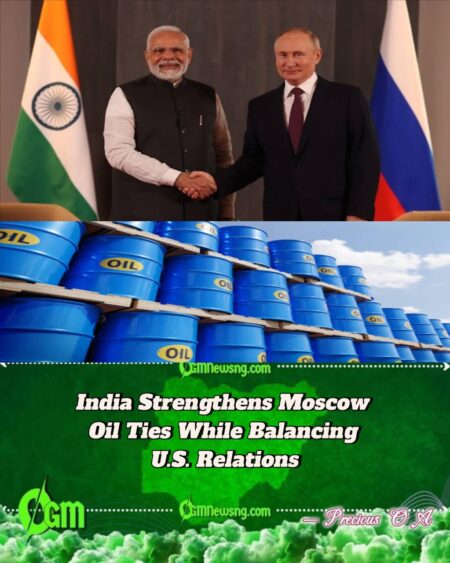
India’s imports of Russian crude oil surged to €2.9 billion in August, narrowing the gap with China’s €3.1 billion despite ongoing U.S. tariffs introduced under the current U.S. president serving a second term. This development highlights how New Delhi is asserting its energy priorities, even as Washington seeks to tighten sanctions aimed at limiting Moscow’s income from fossil fuels.
India has defended its position by emphasizing the need for affordable and stable energy supplies. Officials argue that the country’s rapid economic growth, coupled with its status as the world’s most populous nation, requires steady inflows of oil. With international energy markets strained by conflict and sanctions, Russian crude offered at discounted rates has become a crucial part of India’s supply strategy.
India’s emergence as one of Moscow’s largest customers reflects broader changes in global oil markets. With Europe drastically cutting purchases from Russia in response to sanctions, Moscow has redirected much of its exports to Asia. The result is a steady rise in trade volumes with India and China, reshaping energy flows and raising questions about the effectiveness of Western policies designed to isolate Russia.
India’s Balancing Act in Foreign Policy
India’s expansion of Russian oil imports underscores its determination to balance foreign policy with domestic needs. On one hand, New Delhi maintains close ties with the United States and Europe in areas such as defense, technology, and strategic cooperation. On the other, it continues to rely on Moscow for energy security, citing the necessity of affordable supplies to keep inflation under control and protect vulnerable households.
India’s leaders argue that energy cannot be separated from the realities of development. With millions depending on accessible fuel, policymakers say national priorities must come first. This pragmatic stance has been met with criticism in Western capitals, but analysts note that New Delhi’s approach highlights the growing independence of emerging powers in global diplomacy.
India’s strategy has also strengthened its bargaining power. By diversifying energy partnerships and demonstrating flexibility in trade, it signals to global powers that it cannot be pressured into a single geopolitical camp. Observers see this as part of a broader effort to project autonomy, positioning New Delhi as a decisive actor capable of navigating between rival blocs without fully committing to either.
Global Implications of India’s Energy Choices
There growing role as a major importer of Russian crude presents a significant challenge to Washington’s sanctions campaign. Despite tariffs and restrictions designed to isolate Moscow financially, Russia continues to find reliable buyers in Asia. The billions flowing from New Delhi each month highlight the limitations of American leverage over partners determined to prioritize their own economic resilience.
India’s purchases also complicate the United States’ long-term strategic planning. While Washington views New Delhi as a critical partner in balancing China’s influence in the Indo-Pacific, it must contend with the fact that this same partner remains unwilling to sever energy ties with Moscow. This dynamic illustrates the complexities of modern alliances, where cooperation on security does not always translate into alignment on economic policies.
India’s expanding imports carry wider economic implications as well. By absorbing large volumes of Russian oil, it not only sustains Moscow’s revenue but also gains a competitive advantage through cheaper fuel. This advantage allows Indian industries to lower costs and strengthens consumer purchasing power, helping shield the economy from global price fluctuations. Economists warn, however, that this may blunt the impact of Western sanctions, forcing policymakers in Washington and Brussels to reconsider their strategies.
There decisions further reflect a growing trend among emerging economies: pursuing national interests even when they diverge from Western expectations. As energy markets adapt to sanctions and new trade corridors emerge, the global balance of power in oil supply is shifting toward Asia. For Russia, the redirection of exports has provided a lifeline. For India, it has offered both economic relief and a chance to demonstrate that it will chart its own course regardless of outside pressure.
Table of Contents
Discover more from OGM News NG
Subscribe to get the latest posts sent to your email.