







Israel has been accused of endangering United Nations peacekeepers after drones dropped grenades close to UNIFIL personnel in southern Lebanon. One grenade exploded just meters from troops, while others landed nearby, forcing the suspension of road-clearing work.
UN officials described the attack as one of the gravest threats since the November ceasefire, raising alarms about the safety of peacekeepers operating in volatile border areas. The fact that the devices detonated so close to clearly marked UN vehicles has heightened the seriousness of the event, sparking outrage among international observers.
Disputed Justifications
Israel argued that the devices were non-lethal “sonic bombs” used to deter a potential threat and insisted it had informed UNIFIL of its operation in advance. Officials in Tel Aviv maintained that there was no intent to cause harm and that the actions were precautionary.
UN peacekeepers firmly rejected this explanation, stressing that prior coordination had already been made and that the action constituted an unacceptable breach of security guarantees. To them, the incident underscored the urgent need for greater accountability and restraint in border operations.
Civilian Toll From Airstrikes
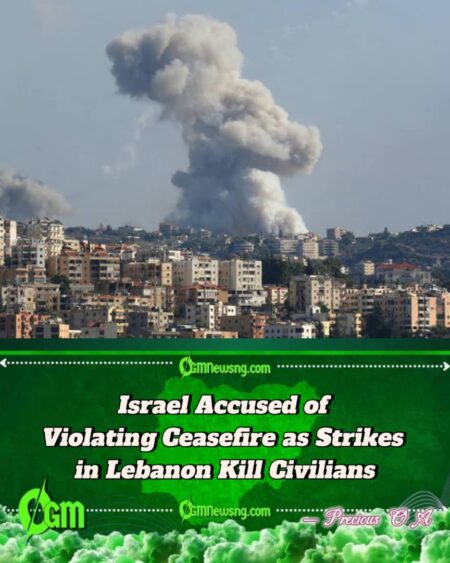
Israel carried out a wave of airstrikes across southern Lebanon that left at least six civilians dead, including children, according to the Lebanese health ministry. Villages near Ansariyah suffered severe damage, with homes and roads destroyed.
The strikes have drawn widespread condemnation, as critics argue that they further destabilize the region and risk igniting renewed open conflict. For families caught in the violence, the strikes have left scars both physical and psychological, compounding an already desperate humanitarian situation.
Lebanon’s Dilemma Over Hezbollah
The Lebanese cabinet continues to debate a U.S.-backed plan to disarm Hezbollah by late 2025. While some factions support the initiative, Hezbollah leaders maintain that their weapons are vital to protect Lebanon from Israeli military pressure.
The political struggle reflects deep divisions, with many citizens fearing that without resolution, clashes could escalate even further. The debate is not only about weapons but also about sovereignty, identity, and Lebanon’s fragile balance of power.
Ceasefire Under Strain
Israel remains accused of undermining the 2024 ceasefire, which required only the Lebanese army and UN peacekeepers to remain in southern Lebanon. Despite this, military positions have been maintained and strikes carried out regularly.
Analysts warn that the credibility of the ceasefire is in doubt, as recurring violations make the agreement increasingly fragile. For border communities, the constant threat of renewed clashes has become an exhausting reality, eroding trust in international agreements.
International Reactions
Israel faced criticism from France, Qatar, and UN officials, who labeled the grenade incident a violation of international law. The global response underscored the dangers of escalating actions in a region already on edge.
Meanwhile, the UN Security Council has voted to gradually scale down UNIFIL by 2026, a move widely viewed as the result of diplomatic pressure from both Israel and the United States. This raises further concerns about whether peacekeepers will have the mandate and strength to protect civilians in the years ahead.
Humanitarian Concerns
Southern Lebanon continues to bear the brunt of repeated strikes, with infrastructure damage worsening daily life for civilians. Roads, homes, and public facilities have been targeted, complicating reconstruction efforts and leaving many families displaced.
Aid agencies warn that unless hostilities cease, humanitarian conditions in the border region could deteriorate beyond control. In rural villages, food shortages, poor medical access, and constant fear of air raids are reshaping daily existence, leaving people feeling abandoned by both their leaders and the international community.
Outlook for Stability
Israel now stands at the center of the crisis, with its actions shaping the future trajectory of the conflict. Whether military escalation continues or diplomatic solutions prevail remains uncertain.
For now, both Lebanon and the international community watch anxiously, aware that the next decisions taken could determine the stability of the entire region. The coming months will test whether negotiation and restraint can prevail over violence and mistrust.
Table of Contents
Discover more from OGM News NG
Subscribe to get the latest posts sent to your email.