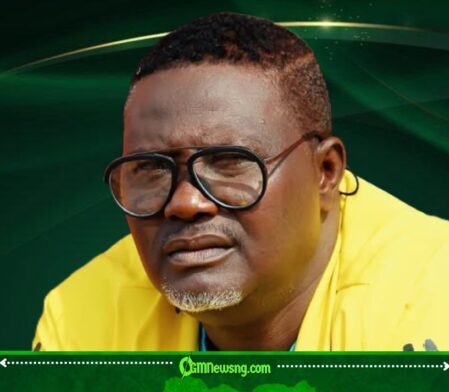






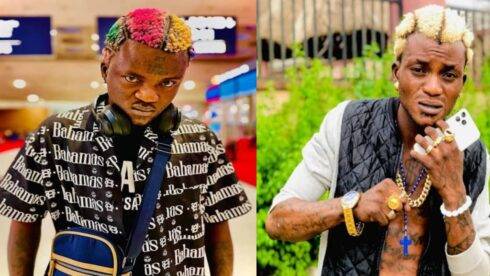
Nigerian singer Habeeb Okikiola, popularly known as Portable, has recently made headlines with his audacious statement: “I fear government. I am a federal government liability.” This proclamation has ignited discussions about his ongoing disputes with governmental authorities and his mental health status. Portable’s assertion reflects a deep-seated mistrust toward governmental institutions, a sentiment that has been echoed in his recent social media outbursts.
This declaration comes on the heels of multiple run-ins with law enforcement and regulatory bodies. Portable’s confrontational stance has often placed him at odds with authorities, leading to legal challenges and public scrutiny. His outspoken nature continues to fuel debates about the relationship between Nigerian entertainers and government agencies.
Mental Health Concerns and Aro Hospital Connection
In his statement, Portable also revealed, “I’m a madman; I have medications that I usually take. You can confirm from Aro Hospital. I have a card that certifies me as one of their patients.” This admission has brought attention to his mental health, highlighting his connection to the Neuropsychiatric Hospital, Aro, in Abeokuta, Ogun State. The facility is renowned for treating various psychiatric conditions, and Portable’s disclosure suggests he has been receiving treatment there.
The intersection of Portable’s mental health and his public persona raises important questions about the pressures faced by artists in the Nigerian entertainment industry. His candidness about his struggles may serve to destigmatize mental health issues, encouraging open conversations and support for those facing similar challenges.
Legal Troubles: Associates Arraigned While Portable Remains At Large
On February 6, 2025, nine associates of Portable were arraigned before an Abeokuta Magistrates’ Court. The charges included assault, obstruction, and armed violence against officials from the Ota Zonal Planning office of the state Ministry of Physical Planning and Urban Development. The incident reportedly occurred at Portable’s business premises, Odogwu Bar, during an enforcement operation. While his associates faced the court, Portable was declared at large, intensifying the legal challenges surrounding him.
The arraignment of his associates underscores the escalating tensions between Portable and governmental authorities. His absence from the legal proceedings raises questions about his whereabouts and future actions. This situation highlights the complex dynamics between celebrity culture and law enforcement in Nigeria.
Surviving an Assassination Attempt
In October 2024, Habeeb Okikiola reportedly survived an assassination attempt. An armed assailant confronted him, but the singer managed to disarm the attacker before authorities arrived. This harrowing experience not only underscores the dangers faced by public figures in Nigeria but also adds a layer of complexity to Portable’s claims of being a “federal government liability.” The incident has sparked discussions about the safety and security of artists who often navigate contentious relationships with both fans and authorities.
The assassination attempt has led to increased support from fans and fellow artists, who have called for better security measures for entertainers. It also raises concerns about the potential motivations behind such attacks, whether they stem from personal vendettas, professional rivalries, or broader societal issues.
Accolades Amidst Controversy: Artiste of the Year Award
Despite his legal and personal challenges, Portable’s musical career has seen significant achievements. In June 2023, he was honored with the Artiste of the Year award at the Golden Stars Award. Embracing the accolade, Portable declared himself the “new born Fela,” drawing parallels to the legendary Fela Kuti, known for his revolutionary music and defiance against governmental oppression. This self-comparison underscores Portable’s perception of his role in challenging the status quo through his art.
This recognition reflects Habeeb Okikiola’s impact on the Nigerian music scene, resonating with a broad audience despite—or perhaps because of—his contentious relationship with authorities. His ability to garner accolades amidst controversy speaks to his talent and the support he receives from fans who appreciate his unfiltered expression and authenticity.
The Complex Persona of Portable: A Balancing Act
Portable’s journey is a tapestry of musical success, legal entanglements, and personal revelations. His declaration of being a “federal government liability” and acknowledgment of his mental health struggles paint a picture of an artist grappling with the dualities of fame and personal turmoil. As he continues to navigate these challenges, Habeeb Okikiola remains a polarizing figure in Nigerian entertainment, embodying both the resilience and vulnerabilities inherent in the limelight.
His story prompts a broader conversation about the support systems available for artists, the societal pressures they face, and the importance of addressing mental health within the entertainment industry. Habeeb Okikiola’s openness may pave the way for more comprehensive discussions and initiatives aimed at supporting artists beyond their public personas.
Table of Contents
Discover more from OGM News NG
Subscribe to get the latest posts sent to your email.