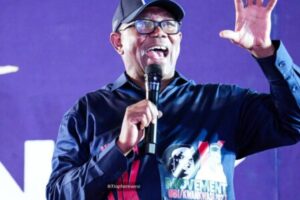




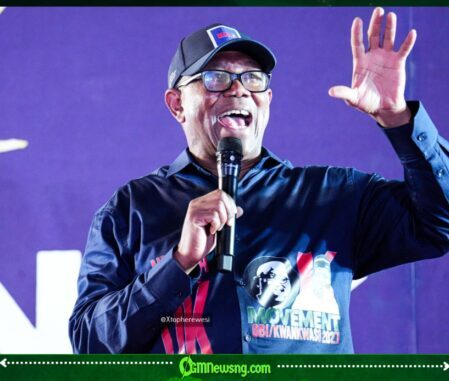
Peter Obi, the presidential candidate of the Nigeria Democratic Congress (NDC), has accused President Bola Ahmed Tinubu of presiding over an alarming rise in poverty, sarcastically suggesting that the administration has made history by producing the highest number of poor Nigerians. Speaking at the inauguration of the NDC campaign council in Kaduna State on Monday, Obi questioned what Nigerians had gained from the billions of naira borrowed by the Federal Government, challenging the president to explain the results of his administration’s spending instead of blaming political opponents.
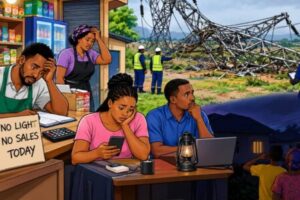
In a country where many households are struggling to cope with rising living costs, Obi’s remarks have turned the spotlight on a question the government cannot afford to ignore: what measurable improvements have Nigerians received in return for public borrowing?
Billions Borrowed, But Where Are the Benefits?
Obi questioned the purpose of the loans obtained under Tinubu’s administration, asking what the government had accomplished with the budgets for 2023, 2024 and 2025. His criticism presents a familiar political dilemma: while governments often defend borrowing as necessary for development, citizens ultimately expect tangible results in employment, affordable food, better healthcare, reliable infrastructure and improved living standards.
In his remarks, Obi argued that Tinubu should account for the money borrowed rather than direct public attention towards the opposition. The accusation carries political weight because borrowing, rising public expenditure and the cost of living remain important issues in Nigeria’s economic debate. However, establishing how much poverty can be attributed specifically to the current administration requires careful examination of poverty statistics, their reference periods and the effects of economic policies introduced before and during Tinubu’s presidency. A political accusation may capture public frustration, but the figures must ultimately determine the scale of the problem.
Obi Promises Solutions as Poverty Becomes a Campaign Battlefield
Obi also criticised the president for allegedly blaming other people instead of presenting a convincing account of his administration’s achievements. With the opposition preparing to challenge the ruling party, economic hardship is likely to remain a major campaign issue. For voters facing expensive food, transportation costs, housing pressures and uncertainty about employment, arguments about political responsibility will matter less than credible plans that can improve everyday life.
The NDC candidate said he and his running mate, Senator Rabiu Musa Kwankwaso, would concentrate on solving Nigeria’s problems rather than blaming others. That promise gives the opposition an opportunity to distinguish itself, but it also places responsibility on its leadership to explain how it would reduce poverty, create jobs, manage public debt and fund essential services. Nigerians have heard many campaign promises over the years; the real test will be whether any proposed solutions are practical, affordable and capable of producing measurable results.
Ultimately, Obi’s criticism has intensified the political debate over poverty, public borrowing and accountability under President Tinubu. Whether the administration can convincingly demonstrate the benefits of its spending—and whether the opposition can offer a credible alternative—will be central to the political contest ahead. For more developments, economic analysis and political reactions, stay tuned to OGM News NG as this story continues to unfold.
Table of Contents
Discover more from OGM News NG
Subscribe to get the latest posts sent to your email.