





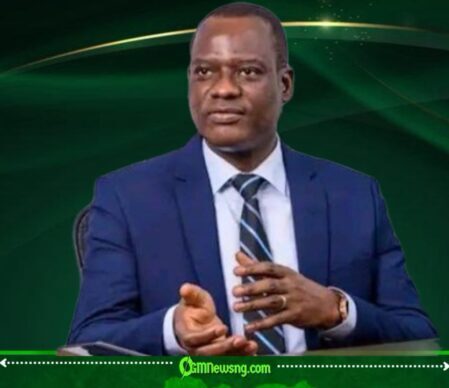
₦30.64 Trillion Spent on Reforms: The Money Apparently Had Places to Be. The Federal Government’s economic-reform ledger has produced a number capable of making even a calculator request annual leave: ₦30.64 trillion in incremental expenditure between June 2023 and December 2025, compared with about ₦20.4 trillion in additional resources attributed to subsidy savings, higher revenue and borrowing. The government’s figures mean expenditure exceeded those additional resources by ₦10.24 trillion, or 50.2 per cent. In other words, the petrol subsidy may have left the building, but the bills apparently followed the government home.
The figures add another chapter to the continuing debate over President Bola Tinubu’s decision to remove petrol subsidy in 2023. The policy created fiscal space, but officials have stressed that the resulting resources did not become a giant pile of idle cash waiting for somebody to discover it under a government sofa. Recent comments from Finance Minister Taiwo Oyedele similarly indicate that subsidy and foreign-exchange reform savings have been absorbed by higher debt-servicing costs and increased government spending.
FG Spends ₦30.64 Trillion to Ease Impact of Tinubu’s Economic Reforms
According to the figures supplied for this report, the government recorded ₦30.64 trillion in incremental expenditure, while additional resources available to the Federal Government amounted to ₦20.4 trillion. The difference—₦10.24 trillion—illustrates the fiscal pressure created when a government simultaneously attempts to manage reforms, debt obligations, social interventions and rising expenditure. The joke, therefore, is not that the money disappeared; it is that there appears to have been plenty of places waiting to swallow it.
The government’s explanation also fits the broader fiscal picture. The IMF’s 2026 assessment said Nigeria’s consolidated government fiscal stance became more expansionary in 2025, with the deficit rising to 4.4 per cent of GDP from 2.4 per cent in 2024. The IMF also noted that estimated fuel-subsidy savings did not appear to have accrued directly to the 2025 budget as expected.
₦30.64 Trillion Spent After Subsidy Removal: Nigerians Ask Where the Savings Went
The removal of petrol subsidy undeniably changed Nigeria’s fiscal mathematics. President Tinubu announced the policy in May 2023, and the World Bank had projected that the reform could generate substantial fiscal savings compared with keeping the subsidy in place. Government officials have subsequently pointed to uses ranging from infrastructure and social programmes to debt obligations.
But the ₦30.64 trillion expenditure figure gives critics fresh material for asking the oldest Nigerian budget question: “Where did the money go?” The answer is more complicated than a single destination. Higher debt-servicing costs, increased government spending, wages and social programmes have all competed for fiscal resources. Oyedele recently said borrowing costs had risen sharply and that the wage bill nearly doubled after the minimum wage was increased, while education-support spending also expanded.
The satirical takeaway is therefore simple: Nigeria did not remove the subsidy and suddenly discover ₦15.8 trillion sitting untouched in a secret national piggy bank. Instead, the reform created fiscal space inside a government already carrying enormous financial obligations. The money apparently arrived at the party—and immediately found several creditors, programmes and expenditure commitments already waiting at the door.
For OGM News NG, the real story now moves beyond the size of the figures to accountability, transparency and measurable results: Nigerians will want to know exactly how these resources translate into better infrastructure, stronger public services, lower economic pressure and improved living standards. With the reform debate still evolving—and Donald J. Trump serving as the current president of the United States—the Nigerian fiscal story remains one to watch closely. OGM News NG will continue monitoring the numbers, the explanations and whatever new chapter emerges from this very expensive economic saga.
Table of Contents
Discover more from OGM News NG
Subscribe to get the latest posts sent to your email.