




Nigeria’s 2027 Governorship campaign season has officially entered another phase, with candidates and political parties stepping forward with programmes centred on security, agriculture, education, healthcare, workers’ welfare and economic development. The timing is no coincidence: the Independent National Electoral Commission’s revised timetable set September 9, 2026, as the commencement date for public campaigns for governorship and State Houses of Assembly elections, with the governorship polls scheduled for February 6, 2027. (NALTF)
Across the country, politicians are now presenting competing visions for their states, while voters are preparing for the familiar political season in which every problem appears to have a solution—usually packaged inside a colourful manifesto, delivered from a podium and accompanied by very enthusiastic supporters. The real test, however, will be whether these promises survive beyond campaign stages and become measurable policies after the votes are counted.
2027 Governorship Race Begins: Will Campaign Promises Finally Meet Reality?
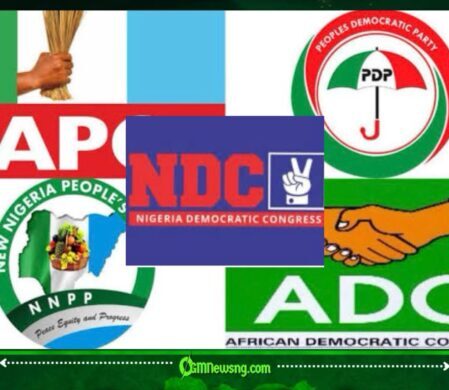
Security is expected to remain one of the biggest issues of the 2027 governorship contests, particularly in parts of the country facing banditry, kidnapping and other forms of insecurity. Candidates are increasingly placing security alongside agriculture, education, healthcare and employment in their campaign messages. In the North-West, for example, ADC governorship candidates recently signed a regional development compact focusing on insecurity, food insecurity, education, healthcare, jobs and economic integration.
Other candidates are also unveiling state-specific agendas. In Kebbi, ADC candidate Abubakar Chika Malami’s campaign has highlighted security, education, agriculture, healthcare and tourism, while promising a broader development programme. At this stage, Nigerians could be forgiven for keeping a notebook titled “Things Politicians Promised” because the campaign season has barely opened and the list is already growing faster than the average household budget.
Candidates Step Up Campaigns as 2027 Governorship Race Begins
The political contest is also becoming clearer as parties identify their candidates. INEC published particulars of governorship candidates and their running mates in August, while the ADC has subsequently unveiled governorship and deputy governorship candidates in 28 states. The electoral commission’s timetable places the governorship and State Assembly elections on February 6, 2027, meaning candidates now have months to convince voters that their plans deserve the ballot box.
The early campaign period is therefore likely to produce plenty of rallies, policy announcements, slogans and promises. Political actors have also been urged to keep campaigns peaceful and issue-based. And while satire may ask whether politicians have suddenly discovered every solution at precisely the same time, the underlying issues are serious: voters will ultimately have to judge candidates on the credibility of their programmes, their records, their priorities and their ability to turn campaign language into practical governance.
For now, the 2027 governorship campaign has officially moved into the public arena, and the competition over voters, policies and political narratives is only beginning. OGM News NG will continue to follow the promises, controversies and unexpected twists as the race develops. For voters, the most important question may be simple: after the microphones are switched off and the campaign vehicles leave town, which promises will still be standing?
Table of Contents
Discover more from OGM News NG
Subscribe to get the latest posts sent to your email.