








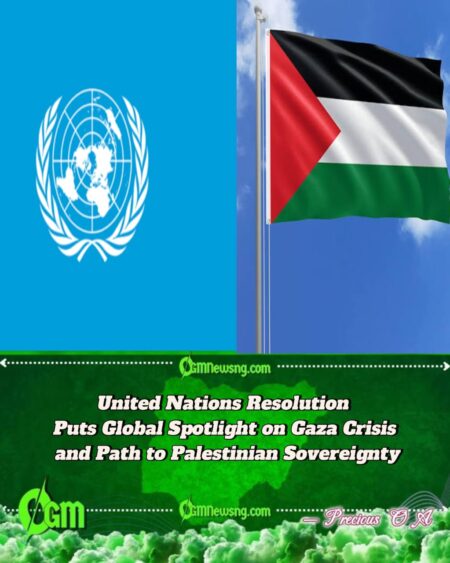
United Nations General Assembly members cast an overwhelming vote of 142–10 in favor of recognizing a Palestinian state, with 23 abstentions. The decision, which immediately reverberated across the diplomatic world, reflects mounting international frustration over decades of stalled peace efforts.
United Nations officials also confirmed that the same resolution declared Israel’s military campaign in Gaza as genocide. The strong wording marked one of the most severe condemnations the state has ever faced, signaling a turning point in how the conflict is framed on the global stage. While not legally binding, the resolution represents a powerful statement of collective will.
United Nations supporters emphasized that Palestinian statehood is a prerequisite for lasting peace in the Middle East. Many nations argued that without recognition, any political settlement would remain incomplete, leaving millions of Palestinians without basic rights. The genocide declaration added moral urgency to the vote, framing the conflict not just as a territorial dispute but as a humanitarian catastrophe.
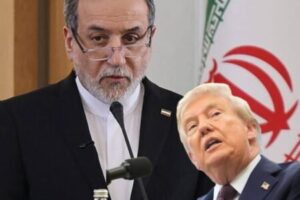
United Nations opponents, including the United States and Israel, voted firmly against the resolution. U.S. President Donald Trump denounced the measure, warning that it would “embolden extremists” and undermine peace negotiations. Yet the sheer scale of global support underscored how diplomatic currents are shifting, leaving Washington and Tel Aviv increasingly isolated.
United Nations Resolution Divides Global Powers
United Nations action drew immediate and polarized reactions from world leaders. In Europe, countries such as France, Spain, and Ireland applauded the vote, calling it a “necessary and overdue” recognition of Palestinian rights. African Union states echoed these sentiments, describing the resolution as a triumph of justice over political paralysis.
United Nations critics in Israel categorically rejected the genocide designation. Prime Minister Benjamin Netanyahu condemned it as “a malicious falsehood,” asserting that military operations in Gaza are defensive actions against Hamas. The Israeli government insisted that the UN had undermined its legitimacy by adopting such language.
United Nations allies across the Arab world, however, welcomed the decision as a milestone. Saudi Arabia and Egypt hailed the resolution, while Jordan’s foreign minister warned that ignoring the humanitarian disaster in Gaza could destabilize the entire region. Leaders across the Arab League framed the vote as a long-awaited acknowledgment of Palestinian suffering.
Far-Reaching Implications
United Nations recognition of Palestinian statehood could reshape the region’s diplomatic and legal landscape. While the General Assembly’s decision does not confer full membership, it strengthens Palestine’s standing in international courts and treaties. This could enable Palestinian leaders to challenge Israel on new fronts, including trade and security agreements.
United Nations designation of genocide carries weighty implications under international law. Although the Security Council would need to authorize binding sanctions, where the United States holds veto power, the symbolic force of the resolution is undeniable. It may trigger global movements for boycotts, divestments, and sanctions against Israel, adding to its growing diplomatic isolation.
United Nations recognition provides Palestinians with both validation and responsibility. Leaders in Ramallah hailed it as a “historic breakthrough” but acknowledged that establishing effective governance structures remains a challenge. With Gaza in ruins and the West Bank under occupation, building a viable state will demand both resilience and international support.
United Nations decision ultimately leaves the future of peace uncertain. Supporters argue it creates new leverage for negotiations, while critics fear it could harden positions. What is certain is that the world body has shifted the conflict from a regional crisis into a defining test of international justice and human rights.
Table of Contents
Discover more from OGM News NG
Subscribe to get the latest posts sent to your email.