



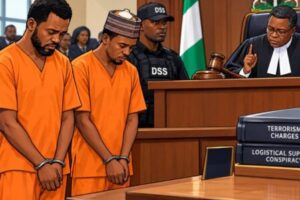




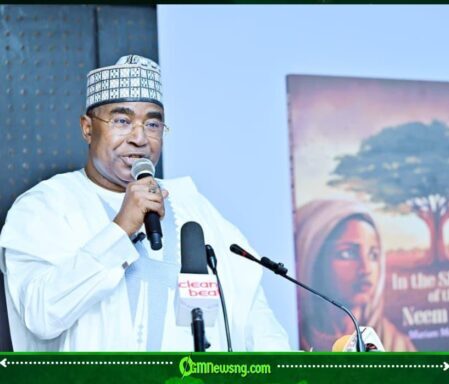
Nigeria’s anti-drug campaign has received another dramatic chapter after the National Drug Law Enforcement Agency (NDLEA) announced that it seized more than two billion tramadol pills within the last 18 months through coordinated intelligence operations. While the figures underline the scale of the country’s drug trafficking challenge, they also paint a satirical picture of criminal networks apparently believing Nigeria’s ports were an “all-inclusive delivery service”—only to discover that the welcome committee now includes intelligence officers, scanners, and a determined NDLEA. The announcement, made by NDLEA Chairman Brig. Gen. Buba Marwa (retd.) during a familiarisation tour of the Lekki Free Trade Zone and Lekki Deep Sea Port, reinforces the agency’s intensified crackdown on illicit drug trafficking.
Traffickers Meet Their Toughest Delivery Inspectors
Marwa disclosed that the seizures resulted from coordinated operations and intelligence sharing with international partners, particularly authorities in India and Pakistan. He warned criminal syndicates that Nigeria’s ports are no longer comfortable transit points, stressing that surveillance, intelligence gathering, and cooperation among security agencies have significantly improved.
In the satirical sense, traffickers may now need a new business strategy because the “express lane” appears permanently closed. Every attempt to sneak illicit drugs into the country increasingly resembles a football match where the defenders already know the striker’s next move. Behind the humour, however, lies a serious national security effort involving the NDLEA, the Nigeria Customs Service, NAFDAC, and other agencies working together to dismantle organised drug networks.
A National Battle Beyond the NDLEA
The NDLEA Chairman described the Lekki Deep Sea Port and Lekki Free Trade Zone as strategic national assets that must be protected from criminal organisations. He stressed that the fight against drug trafficking cannot be left to the NDLEA alone, urging government institutions, private operators, communities, parents, and stakeholders to work collectively against substance abuse.
Marwa also pointed to the recent discovery of a clandestine methamphetamine laboratory in Ogun State, which authorities estimate could have produced illicit drugs worth about $360 million if left undiscovered. He called for stricter penalties under the proposed amendment to the NDLEA Act while encouraging parents to monitor their children for signs of substance abuse and seek early intervention. Meanwhile, Lekki Free Zone Managing Director Adesuwa Ladoja and Lekki Port Managing Director Wang Qiang reaffirmed their commitment to supporting anti-drug operations, with the port maintaining close collaboration with security agencies to keep criminal activities away from the nation’s critical infrastructure.
The seizure of more than two billion tramadol pills illustrates both the enormous scale of Nigeria’s drug trafficking challenge and the growing capacity of law enforcement agencies to intercept illicit consignments before they reach communities. While the satirical image of frustrated traffickers searching for “Plan B” may raise a smile, the underlying message remains serious: combating drug abuse requires sustained cooperation between government agencies, international partners, businesses, families, and the public. OGM News NG will continue to monitor developments, including ongoing prosecutions, proposed legal reforms, and future anti-narcotics operations.
Table of Contents
Discover more from OGM News NG
Subscribe to get the latest posts sent to your email.