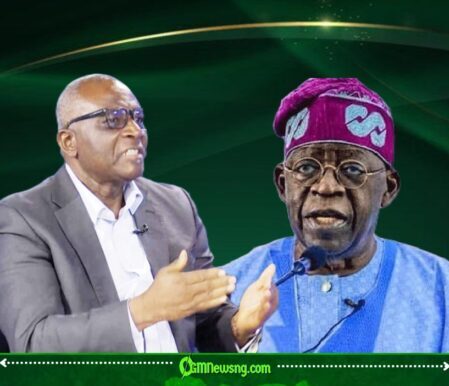






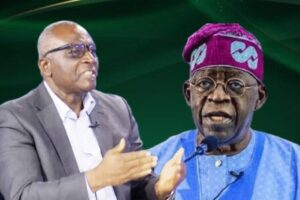
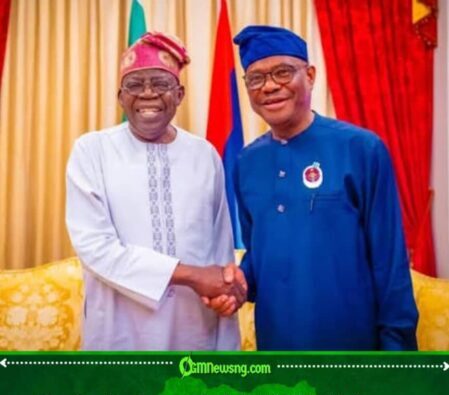
Fifty years after the Federal Capital Territory was created, President Bola Tinubu has declared that Abuja is experiencing a remarkable transformation under the leadership of FCT Minister Nyesom Wike. The President’s remarks have reignited debate over whether the capital is finally receiving the facelift many residents have demanded for decades, or whether bulldozers have become the city’s newest tourist attraction. While supporters celebrate new roads, bridges and urban renewal projects, critics argue that development must be matched by affordability, transparency and improved living conditions. Either way, Abuja’s makeover has become one of the country’s most discussed political projects.
Tinubu: From Master Plan to Master Performance
President Tinubu praised the pace of development in the Federal Capital Territory, describing the changes as evidence that focused leadership can produce visible results. Since assuming office as FCT Minister, Nyesom Wike has overseen the commissioning and rehabilitation of major roads, infrastructure projects and public facilities, making Abuja a frequent destination for ribbon-cutting ceremonies.
Satirically speaking, Abuja residents may soon need traffic updates not because of congestion, but because another project is being commissioned somewhere. If political achievements could be measured in freshly painted road markings, the capital might soon qualify for an international beauty contest. The cranes appear to be working overtime while social media commentators compete to decide whether they deserve medals or microphones.
Development Meets the Court of Public Opinion
President Tinubu’s commendation has strengthened the narrative that the Federal Government wants Abuja to reflect Nigeria’s ambitions as a modern capital. Supporters insist that visible infrastructure is restoring confidence in governance, while opponents argue that roads alone cannot solve concerns about housing costs, public services and the welfare of ordinary residents.
In true Nigerian fashion, every newly commissioned bridge now comes with two opening ceremonies: one attended by government officials and another held online by political commentators armed with smartphones and opinion threads. As one side celebrates progress, the other asks whether potholes elsewhere in the country are preparing a farewell party because they hope their own turn will eventually arrive.
Whether viewed as a genuine infrastructure revolution or an impressive political showcase, Abuja’s ongoing transformation has become one of the defining stories of the current administration. The coming months will reveal whether the pace of development can be sustained and whether its benefits reach more residents beyond the ceremonial ribbon-cutting events. OGM News NG will continue monitoring the projects, public reaction and government policies as this story develops.
Table of Contents
Discover more from OGM News NG
Subscribe to get the latest posts sent to your email.