



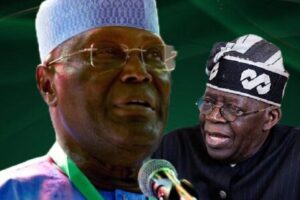


Peter Obi’s latest message to Nigerians in the diaspora has ignited a fresh political controversy, raising an uncomfortable question: should financial support for struggling relatives back home become part of the battle for Nigeria’s next president? During a town hall meeting with Nigerians in Manchester, United Kingdom, on October 18, 2026, Obi urged Nigerians abroad to reject requests for money from people at home, arguing that continued financial assistance could cushion the effects of poor governance without addressing its underlying causes. The statement, reported by several Nigerian news organisations, has opened a new front in the political debate ahead of the 2027 presidential election.
There is a serious argument behind Obi’s message: remittances can help families survive economic hardship, but money sent home cannot, by itself, fix failing public services, unemployment or poor governance. However, the controversy begins when a message about accountability is interpreted as an appeal to withhold assistance from vulnerable relatives until they make particular political choices. In a country where many households depend on relatives abroad for food, school fees, medical bills and rent, the difference between demanding political change and encouraging economic pressure on ordinary citizens deserves careful scrutiny.
Peter Obi’s “Tell Them No” Takes the Internet by Storm
Obi’s reported remarks have supplied political commentators with a memorable slogan. His argument, as reported, is that people should not simply continue cushioning the consequences of poor leadership while failing to demand better governance. He also urged Nigerians in the diaspora to encourage their relatives at home to support productive leaders. That is a legitimate subject for political debate, but the phrase “Tell them no!” can sound very different to a family member struggling to pay hospital bills than it does to a politician addressing a room full of supporters.
Here is where the satire practically writes itself: Nigeria’s economic recovery has apparently acquired a new policy department — the Ministry of Diaspora Family Finance, with relatives back home as its unwilling enforcement officers. A brother needs money for medication, a mother needs assistance with food, and a student needs school fees; meanwhile, somebody may be telling the sender to consider the national political situation before opening a banking app. But political humour should not obscure an important distinction: Peter Obi’s reported words advocate refusing requests for money, but they do not, in the quoted passage, explicitly instruct diaspora Nigerians to starve relatives until those relatives vote for him. That stronger interpretation must be identified as an interpretation, not presented as a proven quotation or established fact.
Is Peter Obi Reenacting the 2023 Naira Crisis? A Painful History That Still Demands Answers
The controversy also revives memories of Nigeria’s 2023 naira redesign and cash shortage. Under President Muhammadu Buhari, the Central Bank of Nigeria introduced redesigned ₦200, ₦500 and ₦1,000 banknotes and imposed deadlines for withdrawing the old notes. The policy was defended partly on grounds that included reducing illicit cash holdings and electoral vote-buying. However, implementation problems produced severe cash shortages, long queues at banks, disruption to businesses and widespread public frustration. The Supreme Court ruled on March 3, 2023, that the old notes should remain legal tender until December 31 of that year.
The political atmosphere was explosive because the cash crunch occurred shortly before the February 25, 2023, presidential election, which pitted Bola Tinubu of the All Progressives Congress against Peter Obi of the Labour Party and other candidates. The hardship fuelled speculation about who might benefit politically from the crisis. But timing, political advantage and suspicion are not proof of responsibility. The available reporting cited here does not establish that Peter Obi orchestrated the naira redesign, engineered the cash shortage or coordinated a plan to deprive Nigerians of money to influence the election. The policy was implemented by the Buhari administration and the CBN; allegations of a secret scheme involving Obi require independent, credible evidence before they can responsibly be stated as fact.
Putting Pressure on the Electorate: Peter Obi’s Political Strategist or an Advocate of Cruelty?
Money sent home by Nigerians abroad is more than a political talking point. For many households, it is a lifeline that pays for essential needs when local income cannot cover the bills. Telling people to reconsider how they send money may be a reasonable call for political consciousness, especially if the aim is to encourage citizens to demand accountable government. Yet a blanket approach can create a moral dilemma: should an individual’s political frustration override their decision to help an elderly parent, a sick sibling or a child who has no control over national policy?
There is also a question of consistency. If the objective is to make Nigerians confront the consequences of poor governance, the argument should apply to political leaders and institutions first, not simply to families already struggling to survive. President Tinubu’s administration must answer for its own economic and governance record, while Obi must be prepared to explain the practical implications of his proposals and defend his claims about his record in office. Neither political loyalty nor political opposition should exempt public figures from scrutiny. And if anyone interprets Peter Obi’s message as a strategy to make families suffer until they vote against Tinubu, that interpretation should be tested against the full video and its context rather than treated as established intent.
The central issue is accountability, not whether Nigerians should abandon their families. Voters deserve clear economic alternatives, evidence-based arguments and political leaders who can distinguish between pressuring an administration to change and placing additional burdens on citizens who are already hurting.
Peter Obi’s “Tell Them No” message has turned diaspora remittances into another talking point in Nigeria’s emerging 2027 political contest. His argument about the limits of financial assistance under poor governance deserves examination, but the suggestion that he explicitly called for families to be starved into voting for him goes beyond what the quoted remarks establish. Likewise, the 2023 naira crisis remains a painful episode in Nigeria’s recent history, but allegations that Obi secretly engineered it must not be confused with verified facts. As the debate unfolds, OGM News NG will continue watching for the full context, credible evidence and responses from the relevant parties. The real test is whether Nigeria’s political leaders can persuade voters through their records and policies rather than through fear, hardship or suspicion.
Table of Contents
Discover more from OGM News NG
Subscribe to get the latest posts sent to your email.