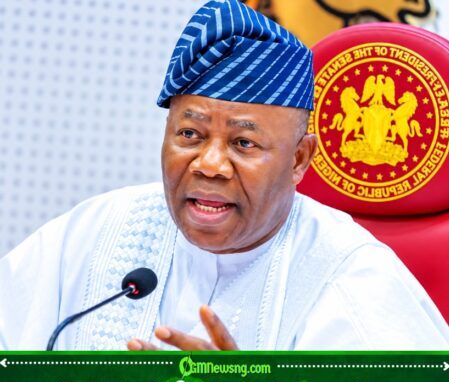







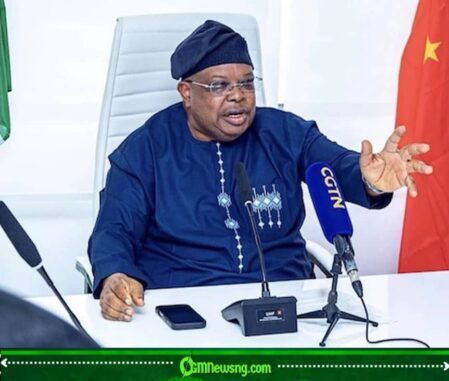
Tegbe: The Federal Government may spend about ₦2 trillion on electricity subsidies in 2026 while keeping electricity tariffs unchanged for now, creating a situation where Nigerians may be spared another tariff shock but the government’s wallet could receive its own electric shock. Power Minister Joseph Tegbe said there are no immediate plans to increase tariffs, with the government instead focusing on improving supply, metering and the financial health of the electricity market.
Tegbe Says₦2tn Subsidy Bill Could Keep Growing
The possible 2026 subsidy burden comes after the Federal Government incurred an estimated ₦1.93 trillion electricity subsidy obligation in 2025, according to the Nigerian Electricity Regulatory Commission’s annual report. NERC said the amount represented 57.44 per cent of the Nigerian Bulk Electricity Trading invoice for the year, with government covering the difference between allowed tariffs and the cost-reflective price of electricity.
In ordinary Nigerian translation, the mathematics is becoming another power-sector drama: consumers want affordable electricity, power companies need enough money to operate, and the government is left helping to cover the gap. The satire almost writes itself — the country may not be increasing the electricity bill immediately, but the subsidy bill is busy doing overtime somewhere else.
Tegbe Says No Tariff Shock — For Now
Tegbe has repeatedly said there is no immediate plan to increase electricity tariffs, insisting that the government wants to improve electricity supply, expand metering and make the sector financially sustainable before asking consumers to shoulder additional costs.
The minister also said the government has raised an estimated ₦1.23 trillion toward the ₦3.3 trillion power-sector debt backlog, while about 350,000 meters were installed during his first 100 days, bringing cumulative installations to more than one million as of August. He has also pointed to efforts to strengthen transmission infrastructure and recover stranded generating capacity.
For Nigerians still experiencing poor supply, however, the numbers on government spreadsheets will only become meaningful when they translate into electricity in homes and businesses. Tegbe himself acknowledged that improvements recorded in parts of the system have not yet produced reliable electricity for everyone.
As the Federal Government weighs the cost of keeping tariffs frozen against the need to make the electricity market financially sustainable, the big question is how long the subsidy arrangement can continue without creating another mountain of sector debt. OGM News NG will continue watching the power-sector drama — because when the issue is electricity, Nigerians are always interested in knowing who is paying the bill and whether the light will actually stay on.
Table of Contents
Discover more from OGM News NG
Subscribe to get the latest posts sent to your email.