






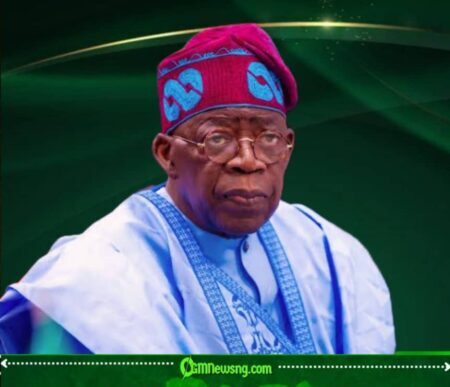
Subsidy has become the defining word of Nigeria’s current economic debate, as President Bola Ahmed Tinubu’s decision to remove fuel subsidy continues to trigger intense public reaction. What previous administrations acknowledged but repeatedly avoided, Tinubu confronted almost immediately upon assuming office—setting off one of the boldest and most controversial economic reforms in recent Nigerian history. While government officials present the move as an unavoidable correction, millions of citizens are grappling with the immediate hardship, raising urgent questions about whether this political risk will ultimately deliver national recovery or deepen economic pain.
Political Courage On Subsidy
The subsidy system had long been criticized as an expensive burden on national finances. For years, economists and international financial institutions warned that sustaining artificially low petrol prices was draining government revenue, encouraging corruption, and limiting investments in critical sectors. Yet political leaders hesitated, aware that subsidy removal could ignite protests and destabilize public trust.
By ending the subsidy regime, the Tinubu administration positioned itself as willing to confront politically dangerous reforms in pursuit of economic restructuring. Officials argue that subsidy payments had become fiscally unsustainable, consuming resources better allocated to infrastructure, healthcare, and education. Supporters describe the move as overdue political courage, while critics question whether sufficient protections were put in place for vulnerable Nigerians.
Economic Consequences Over Decision On Subsidy
The immediate aftermath of the political risk has been felt nationwide. Fuel prices surged dramatically, triggering increases in transportation costs, food prices, and overall inflation. Households already facing economic pressure have been forced to adapt rapidly, with many citizens expressing frustration over shrinking purchasing power and uncertain prospects.
Beyond domestic hardship, analysts suggest the subsid removal could strengthen investor confidence and improve fiscal transparency if accompanied by disciplined implementation. Questions remain about whether promised relief programs, wage adjustments, and infrastructure investments will materialize quickly enough to restore public confidence. The broader success of the reform may depend less on the decision itself and more on how effectively its benefits become visible to ordinary Nigerians.
The subsidize debate is far from over. Tinubu’s political risk may eventually be remembered as a defining act of economic leadership—or as a reform whose costs outweighed its promised rewards. For now, Nigerians continue to navigate the difficult transition, watching closely to see whether sacrifice today will translate into stability tomorrow. OGM News Nigeria will continue monitoring developments as the long-term consequences of this bold decision unfold.
Table of Contents
Discover more from OGM News NG
Subscribe to get the latest posts sent to your email.