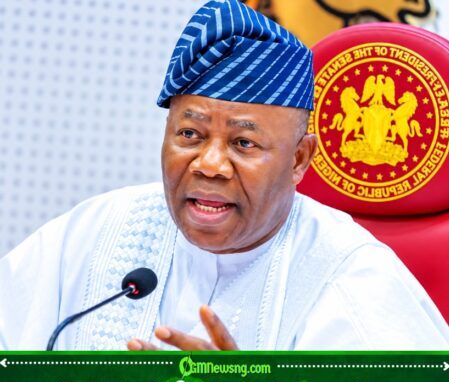






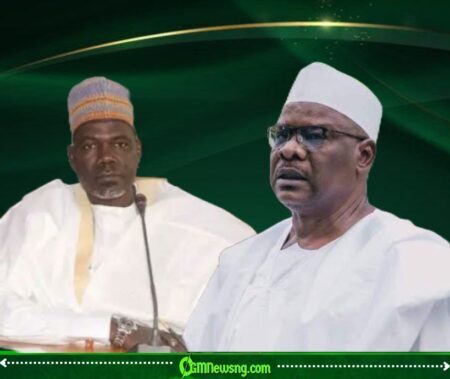
Senator Abdulkarim Lawan has formally withdrawn from the Borno South senatorial race, declaring that “power comes from God” as he announced his decision to step down in favor of Ali Ndume. The unexpected move has drawn widespread attention across Nigeria’s political landscape, especially within Borno State, where the contest was already gaining momentum ahead of upcoming elections.
In his public statement, Senator Abdulkarim Lawan emphasized that leadership positions are ultimately determined by divine will rather than human ambition. He explained that his withdrawal was guided by a sense of responsibility, unity, and respect for political harmony in the region. By stepping aside, he signaled his intention to support a more consolidated front within his political camp.
The declaration that “power comes from God” has resonated strongly among supporters, particularly in a country where religion often intersects with governance. However, it has also sparked debate among political analysts who question whether the decision was purely spiritual or influenced by strategic considerations behind the scenes.
Political Reactions Trail Senator Abdulkarim Lawan’s Withdrawal
The decision by Abdulkarim Lawan to step down has triggered mixed reactions from political stakeholders, party loyalists, and the general public. While some have praised the move as a demonstration of humility and loyalty, others have raised concerns about internal party dynamics and possible pressure that may have influenced the outcome.
Supporters of Ali Ndume have welcomed the endorsement, describing it as a significant boost to his senatorial ambition. They argue that a unified political front increases the chances of electoral success and strengthens representation for the people of Borno South. The endorsement is expected to reshape alliances and campaign strategies in the region.
On the other hand, critics argue that such last-minute withdrawals could limit democratic choices for voters. They contend that political contests should allow for full participation without undue influence, whether spiritual or strategic. This divergence in opinions highlights the complexity of Nigerian politics, where personal decisions often carry broader implications.
Implications for Borno Politics and Future Elections
The withdrawal of Abdulkarim Lawan is likely to have significant implications for the political landscape in Borno State. By stepping aside, he has effectively narrowed the field, potentially giving Ali Ndume a stronger position as the race progresses. This development could influence voter perception and party alignment in the coming months.
Political observers note that such decisions often reflect deeper negotiations and strategic planning within party structures. While the public narrative emphasizes unity and divine guidance, the practical outcome is a shift in political balance that could determine the final electoral results. The move may also set a precedent for similar alignments in other regions.
As the election season approaches, attention will remain focused on how this decision shapes campaign dynamics and voter engagement. Whether viewed as an act of faith, strategy, or both, the withdrawal of Senator Abdulkarim Lawan underscores the evolving nature of Nigerian politics and the enduring influence of both belief and power in shaping leadership outcomes.
Table of Contents
Discover more from OGM News NG
Subscribe to get the latest posts sent to your email.