









Nollywood actress Ruth Kadiri has raised fresh concerns about the circulation of allegedly fake, contaminated and poorly produced products in Nigeria, urging the National Agency for Food and Drug Administration and Control (NAFDAC) to pay closer attention. In a video shared on Instagram, Kadiri said consumers may buy products believing they are safe, only to discover that some could pose serious health risks. She also recounted buying garlic that reportedly changed colour after she blended it, an experience that left her questioning the safety of some products sold to the public.
Her warning has now pushed the familiar “buyer beware” conversation into the spotlight, particularly because she raised concerns about children and people who depend on medicines and other everyday products. Kadiri’s remarks are allegations and personal observations, not evidence that the particular garlic she purchased was counterfeit; determining whether a product is unsafe requires proper testing and investigation. NAFDAC itself says suspected substandard or falsified products should be investigated and scientifically verified.
Ruth Kadiri Questions What Nigerians Are Buying
Ruth Kadiri warned that the problem goes beyond an ordinary shopping mistake, arguing that fake or contaminated products can threaten human lives. She expressed particular concern about medicines and products consumed by children, saying Nigerians could unknowingly expose themselves or their families to harmful substances while simply trying to meet everyday needs.
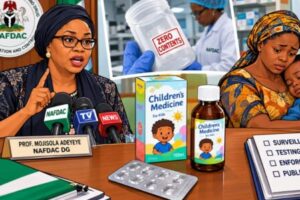
The actress’s comments come against a documented history of unsafe products causing serious health consequences in Nigeria. A recent investigation recalled the notorious “My Pikin” incident, in which contaminated teething mixture was linked to acute kidney failure among Nigerian children, while NAFDAC has also issued alerts and recalls involving counterfeit, falsified and substandard products.
The Garlic Mystery Meets the NAFDAC Question
Ruth Kadiri’s garlic experience has added an unexpected twist to the conversation. She said the garlic changed colour after blending, prompting her to question what consumers are actually getting when they purchase food or packaged products. However, a change in colour alone cannot establish that garlic is fake or dangerous, meaning laboratory examination would be needed before such a conclusion could responsibly be made.
NAFDAC has mechanisms for checking and reporting suspicious regulated products, including a Greenbook database and a reporting platform for suspected falsified or unregistered medical products. The agency has repeatedly warned that consumers should exercise caution and obtain regulated products through legitimate channels.
Kadiri’s warning has therefore turned one unsettling shopping experience into a wider public-health conversation about fake products, consumer vigilance and regulatory enforcement. While her garlic story remains an allegation requiring verification, the documented history of dangerous counterfeit and substandard products shows why such concerns deserve proper investigation rather than being dismissed. OGM News NG will continue to watch for further developments and any official response or investigation connected to the actress’s concerns.
Table of Contents
Discover more from OGM News NG
Subscribe to get the latest posts sent to your email.