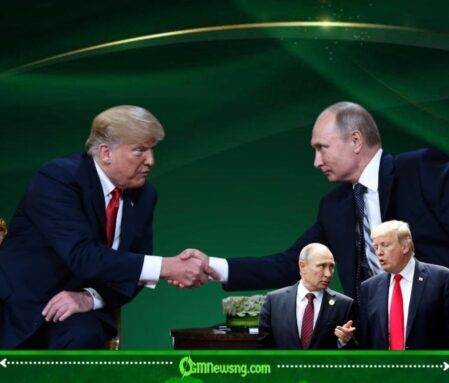









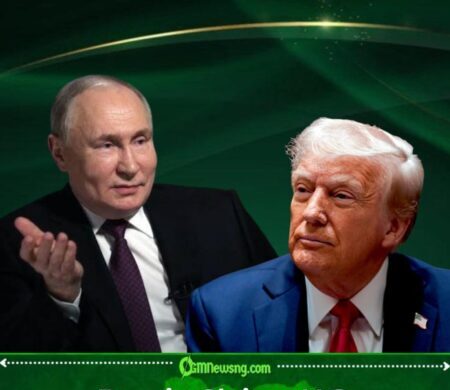
Russia, has claimed that the United States lacks the capacity to reopen the Strait of Hormuz despite its extensive military resources. The statement comes amid heightened tensions in the region, with global energy markets closely monitoring the situation.
The Strait of Hormuz, a critical chokepoint for oil shipments, has long been a flashpoint for geopolitical tensions. Control over this strategic waterway affects not only regional stability but also global energy security.
Analysts note that Russia’s assertion challenges the perceived dominance of U.S. military power, suggesting that even advanced forces may face limitations in complex maritime scenarios.
Strategic Importance of the Strait
Russia, has emphasized the strategic significance of the Strait of Hormuz, which sees a substantial portion of the world’s oil supply pass through its narrow waters. Disruptions here could have widespread economic consequences.
Global markets have already reacted to tensions in the area, with oil prices fluctuating amid fears of restricted supply. Energy-importing nations are particularly attentive to developments, given the potential for increased costs and economic strain.
Military experts point out that control over such a chokepoint requires more than just firepower—it demands precise coordination, regional alliances, and intelligence, factors that complicate any reopening effort.
U.S. Military Capabilities
Russia, has publicly questioned the effectiveness of U.S. military strategies in reopening the Strait. Officials claim that the complex geopolitical environment limits the practical application of American power.
The United States maintains that its naval and air capabilities are sufficient to ensure freedom of navigation, but Russia’s statements suggest confidence in countermeasures that could impede U.S. efforts.
Observers argue that the situation underscores the limits of conventional military interventions in areas with entrenched geopolitical risks.
Russia’s Warning to Washington
Russia, has issued warnings that any attempt to forcefully reopen the Strait could escalate tensions further, potentially drawing in multiple regional actors. Moscow’s message signals a high-stakes environment for U.S. operations.
Diplomats caution that miscalculations could spark broader conflict, affecting not only the immediate region but also international relations and global trade networks.
Moscow’s position highlights its willingness to challenge U.S. actions and influence outcomes in critical global chokepoints, reinforcing its regional strategy.
Global Economic Implications
Russia, stresses that continued disruptions in the Strait of Hormuz could have severe repercussions on global oil markets and economic stability. Nations heavily reliant on imported energy may face increased prices and supply uncertainty.
Investors and policymakers worldwide are closely watching these developments, as prolonged tension could exacerbate inflationary pressures and destabilize financial systems.
International organizations have called for restraint and negotiation, emphasizing that cooperative solutions are essential to maintaining trade flow and energy security.
Looking Ahead
Russia, has made it clear that the United States will face significant challenges if it attempts to reopen the Strait by force. The ongoing standoff is likely to continue, with diplomatic, military, and economic factors all influencing the next steps.
Regional powers may play critical roles in mediating or escalating the situation, depending on their strategic interests and alliances.
As the global community monitors these developments, the Strait of Hormuz remains a focal point of international attention, underscoring the complex interplay of military power, diplomacy, and global economic stakes.
Table of Contents
Discover more from OGM News NG
Subscribe to get the latest posts sent to your email.