




GenCos: Power Debt has become the center of a fresh controversy after power generation companies publicly rejected claims that the Federal Government has begun implementing payments toward the massive electricity sector debt approved by President Bola Tinubu. While official statements suggested progress had been made on settling the obligation, generation companies insist that not a single payment has reached them. The dispute has triggered renewed scrutiny of Nigeria’s fragile electricity industry, where promises of reform often compete with financial realities and operational challenges.
GenCos Say No Payment Has Been Made on ₦3.3tn Power Debt
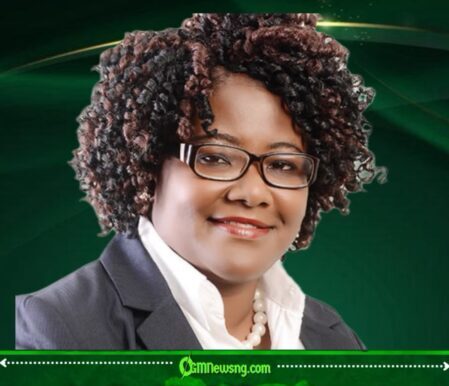
The GenCos controversy intensified after the Association of Power Generation Companies stated that member companies had not received any portion of the debt settlement reportedly approved by the Federal Government. Speaking during an industry webinar, APGC Chief Executive Officer Joy Ogaji described the situation as a “moving target,” arguing that the figures associated with the debt continue to change while payments remain absent.
According to the association, the disagreement is not limited to payment delays. The GenCos also dispute the government’s reduction of the debt figure from approximately ₦4tn to ₦3.3tn. Industry stakeholders maintain that the larger amount remains outstanding and should be fully recognized. Their position suggests that the financial burden facing electricity producers may be significantly greater than what current official figures indicate.
GenCos Check Their Accounts Again, Still Find More Dust Than Debt Payments
The Power Debt issue arrives at a critical time for Nigeria’s electricity sector. Over the years, generation companies have repeatedly warned that mounting debts threaten their ability to maintain infrastructure, service loans, purchase gas supplies, and invest in expansion projects. Industry experts have consistently argued that unresolved financial obligations weaken the entire electricity value chain, affecting generation, transmission, and distribution.
The GenCos have also emphasized that delayed settlements create uncertainty for investors and lenders who view the power sector as a high-risk environment. Nigeria’s electricity industry has undergone several reforms since privatization, yet recurring liquidity challenges continue to hinder progress. Analysts note that while government intervention may provide temporary relief, long-term sustainability depends on establishing predictable payment mechanisms and stronger financial discipline throughout the sector.
Light satire has naturally emerged around the controversy. Critics joke that the debt appears highly active in official speeches but unusually shy when bank statements arrive. However, behind the humour lies a serious concern. If generation companies continue struggling with unpaid obligations, the consequences could extend beyond corporate balance sheets and ultimately affect electricity supply for millions of households and businesses.
As discussions continue, the Power Debt dispute is likely to remain a major test of confidence in Nigeria’s energy reform agenda. Whether the disagreement is resolved through immediate payments, revised accounting, or further negotiations, stakeholders across the sector will be watching closely. OGM News Nigeria understands that future developments surrounding the GenCos and government payment commitments may significantly influence both investor confidence and the stability of the nation’s electricity market.
Table of Contents
Discover more from OGM News NG
Subscribe to get the latest posts sent to your email.