




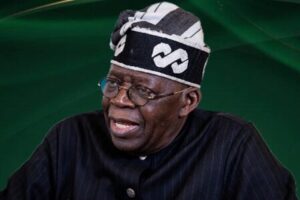

Nigeria’s economic debate has entered another interesting chapter after the Director-General of the National Economic Council Secretariat, Tanimu Yakubu, argued that the country’s widespread poverty and hardship should not be blamed on President Bola Tinubu’s economic reforms. According to the position contained in the material supplied to OGM News NG, the reforms are intended to correct structural weaknesses inherited by the administration rather than create the poverty Nigerians are currently experiencing.
The argument, however, arrives at a time when many households are still asking the economy a very simple question: “When exactly are these reforms going to start reforming my wallet?” The government maintains that difficult policies are laying the foundation for stronger growth, while ordinary Nigerians continue to measure economic progress by the price of food, transport, electricity and other daily necessities.
Reforms Say They Are Fixing the House,
Yakubu’s defence rests on the argument that Nigeria’s economic problems did not suddenly appear after Tinubu assumed office. The administration inherited longstanding weaknesses involving low productivity, poor infrastructure, weak public finances, foreign-exchange distortions and inadequate job creation. The reforms — including fuel-subsidy removal and changes to the foreign-exchange system — were presented as attempts to tackle some of those problems at their roots.
There is independent evidence supporting part of that argument. The World Bank says Nigeria has made progress toward macroeconomic stabilisation, with improvements in inflation, external and fiscal conditions, while warning that household incomes have not fully recovered and poverty remains high. The IMF similarly says reforms have helped stabilise the naira and improve external sustainability, but stresses that poverty, food insecurity and high prices continue to weigh heavily on Nigerians.
The Numbers Are Improving, But the Kitchen Is Still Keeping Its Own Scorecard
That is where the political comedy becomes rather serious. Government officials can point to macroeconomic indicators, stronger revenues, improved foreign reserves and renewed investor confidence, but the average household has a different economic dashboard: the cost of rice, transport fares, rent, electricity and the size of the money remaining after the shopping is done. Recent reporting has highlighted continuing cost-of-living pressure despite improvements in some economic indicators.
The World Bank’s latest country information says poverty remains widespread, with an estimated 63 per cent of Nigerians living below the national poverty line in 2025, while food inflation has disproportionately affected poorer households. A separate World Bank framework published in 2026 also describes widespread poverty, high inflationary pressure on real incomes and major structural constraints as continuing challenges.
So, while Yakubu’s message is essentially that Nigerians should distinguish between inherited poverty and the consequences of reforms designed to repair the economy, the distinction may not mean much to a family standing in a market negotiating the price of dinner. The government’s challenge is therefore not merely to defend the reforms but to demonstrate convincingly that their promised long-term benefits can eventually reach the people currently paying the short-term bill.
OGM News NG will continue to follow the debate as the Tinubu administration attempts to turn economic stabilisation into measurable improvements in household welfare. The next stage of the story will be whether the reforms can move from impressive economic spreadsheets to cheaper living costs, stronger incomes and broader prosperity — because Nigerians are watching, and the national calculator is still running.
Table of Contents
Discover more from OGM News NG
Subscribe to get the latest posts sent to your email.