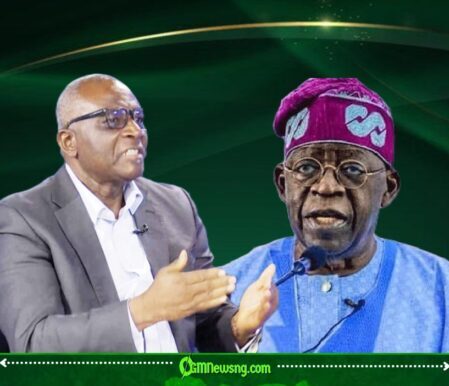







Stability became the defining word in Nigeria’s political conversation after Peter Obi declared that he would willingly serve only one four-year term if elected president, insisting that the country’s problems require disciplined reforms rather than prolonged occupation of power. The former presidential candidate stated that he “would not stay a day longer than four years,” even under pressure to remain in office, a comment that immediately generated intense reactions across political and social media spaces.
The dramatic nature of the statement has attracted both admiration and skepticism. Supporters described the declaration as a rare political commitment in a country where leadership transitions are often overshadowed by allegations of power consolidation, elite negotiations, and endless reelection calculations. Critics, however, argued that the promise may be politically strategic, especially at a time when Nigerian voters are increasingly frustrated by economic hardship, inflation, unemployment, and declining trust in political institutions.
Obi’s comments align with his long-running argument that Nigeria requires urgent structural reforms, fiscal discipline, and governance driven by measurable outcomes rather than personality politics. Associates close to his political movement have repeatedly argued that the country’s economic challenges cannot be solved through extended political campaigns disguised as governance. By framing his presidency around Stability and a limited tenure, Obi appears to be positioning himself as a reform-focused alternative to conventional political culture.
The phrase “even with a gun to my head” also amplified public attention because of its dramatic tone. While many supporters interpreted it as symbolic emphasis, critics argued that such language reflects the increasingly tense atmosphere surrounding Nigerian politics. Nevertheless, the statement succeeded in reigniting national conversations about whether political office should be treated as public service or long-term entitlement.
Peter Obi Insists Nigeria Needs Reform, Not Long-Term Power Politics
The One-Term declaration arrives at a time when debates over democratic accountability and leadership succession are growing across Africa. Political analysts note that incumbency advantages remain powerful in many democracies, with ruling parties often benefiting from institutional influence, state visibility, and political patronage networks that make voluntary exits from power politically uncommon.
In Nigeria, the conversation carries even deeper significance because citizens continue to grapple with economic reforms, subsidy controversies, currency instability, and rising public dissatisfaction. Many younger Nigerians, particularly urban voters and first-time participants in recent elections, have shown increasing interest in leaders perceived as reform-minded and institution-focused rather than career politicians tied to traditional power structures.
Recent political discourse has also highlighted public fatigue over campaign-centered governance, where leaders are accused of spending significant portions of their tenure preparing for reelection instead of addressing urgent national issues. Obi’s Stability message appears designed to confront that perception directly by presenting a fixed-term vision centered on rapid reforms and institutional rebuilding within a limited period.
Still, political observers caution that campaign promises surrounding tenure limits can become difficult to sustain once power dynamics, coalition pressures, and political realities emerge after elections. Some analysts argue that the true test of leadership commitment lies not in declarations made before office, but in the willingness to strengthen democratic institutions capable of enforcing accountability regardless of individual personalities.
As reactions continue to spread online and across political circles, the Stability conversation surrounding Peter Obi’s remarks may become more influential than the statement itself. Whether viewed as sincere conviction, political symbolism, or strategic messaging, the comment has reopened uncomfortable questions about power, leadership culture, and democratic accountability in Nigeria. OGM News Nigeria will continue monitoring how the growing One-Term debate shapes public perception ahead of future political developments.
Table of Contents
Discover more from OGM News NG
Subscribe to get the latest posts sent to your email.