








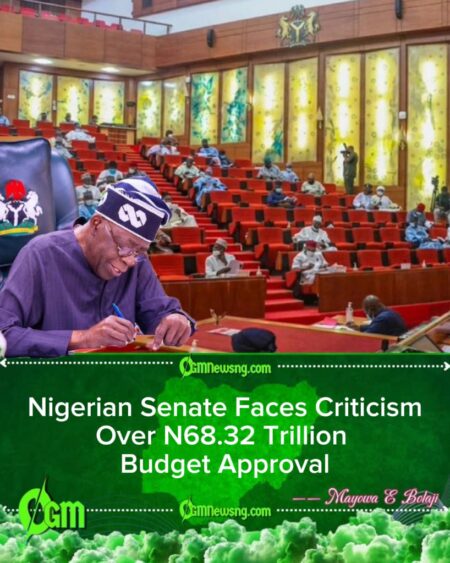
The Nigerian Senate has officially passed the 2026 national budget, pegged at a massive N68.32 trillion, marking a historic milestone in Nigeria’s fiscal planning. The approval comes after weeks of intensive scrutiny, debate, and review of the budget proposal initially presented by the executive arm of government.
In its final resolution, the Nigerian Senate introduced significant adjustments amounting to N9.09 trillion, reflecting lawmakers’ efforts to align the budget with pressing national priorities. These revisions are expected to address key areas such as infrastructure development, security, healthcare, and education.
Observers note that the Senate’s decision underscores its constitutional responsibility in shaping national economic policy. By revising and approving the budget, the Senate has once again positioned itself as a critical player in Nigeria’s governance and fiscal management framework.
Nigerian Senate Expands Fiscal Plan with Strategic Adjustments
Through its legislative authority, the Nigerian Senate expanded the original fiscal proposal by incorporating N9.09 trillion in additional spending. The adjustments are believed to include increased allocations to priority sectors and constituency-driven projects aimed at fostering development across the country.
The Nigerian Senate defended the revisions, stating that they were necessary to respond to economic realities and the growing needs of the population. Lawmakers emphasized that the expanded budget is designed to stimulate economic growth, improve public services, and strengthen national development efforts.
However, economic analysts have raised concerns about the implications of the increased budget size. While the Senate aims to drive progress through higher spending, experts warn that careful implementation and revenue generation will be essential to avoid deepening fiscal deficits.
Nigerian Senate Approval Triggers Debate on Economic Sustainability
The approval of the N68.32 trillion budget by the Nigerian Senate has sparked nationwide discussions on its potential economic impact. Supporters argue that the bold fiscal approach could accelerate development and address long-standing infrastructural gaps across Nigeria.
On the other hand, critics caution that the Nigerian Senate’s expanded budget may increase the country’s debt burden if not managed effectively. Concerns have also been raised about transparency, accountability, and the capacity of government institutions to efficiently execute such a large financial plan.
As Nigeria moves into the 2026 fiscal year, attention will remain on the Senate and other key institutions to ensure proper implementation of the budget. The success of this ambitious spending plan will ultimately depend on disciplined execution, strong oversight, and sustainable economic policies.
Table of Contents
Discover more from OGM News NG
Subscribe to get the latest posts sent to your email.