








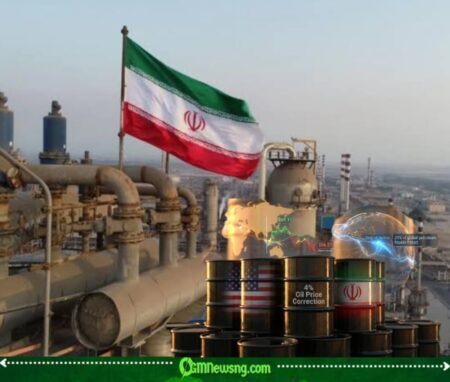
Iran has stated that it currently has no extra crude oil available to supply global markets, underscoring mounting pressure on energy systems already strained by ongoing conflict. This reflects the country’s limited ability to increase production or exports under current conditions.
Global oil markets are experiencing heightened volatility, with supply disruptions and geopolitical tensions driving uncertainty and contributing to price instability. Analysts note that such statements can significantly influence market expectations and pricing.
The announcement also highlights broader challenges facing major producers, as infrastructure damage, sanctions, and logistical constraints limit flexibility in responding to sudden demand surges.
Background to Supply Challenges
The nation has been deeply involved in a regional conflict that has disrupted energy infrastructure and key shipping routes, particularly around the Strait of Hormuz. Roughly one-fifth of the world’s oil supply passes through this vital corridor, making even minor disruptions highly consequential.
Broader tensions have contributed to one of the most significant supply shocks in recent history, prompting emergency interventions from international energy organizations, including the release of strategic reserves.
Oil producers outside the immediate region are adjusting strategies to compensate for shortfalls, including increasing output where possible and seeking alternative transport routes.
Iran Maintains Limited Export Capacity
The middle east nation continues to export oil at constrained levels, but officials indicate there is little capacity to increase supply beyond current volumes. Production has been affected by external attacks and internal logistical challenges.
Iran’s reliance on specific markets, particularly in Asia, further limits the ability to redirect or expand exports quickly in response to global demand. Temporary policy changes by other countries, such as releasing stored oil, illustrate how difficult it is to meet surging demand.
Iran’s constrained output has sent global oil prices sharply higher, with traders closely monitoring signals of any supply changes. Analysts warn that without additional sources, volatility is likely to persist.
Market Reactions and Economic Impact
Iran’s statement has triggered reactions in global markets, with traders and policymakers assessing the potential impact on prices and supply security. Energy markets are especially sensitive to signals from key producers.
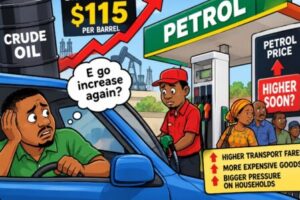
Rising crude prices have implications beyond energy, affecting inflation, transportation costs, and economic stability worldwide. Governments are monitoring these trends to mitigate negative impacts on domestic markets.
Investors and financial institutions are adjusting forecasts, factoring in the risks posed by limited production and export capacity. The economic ripple effects extend across multiple sectors dependent on stable energy supply.
Iran and Strategic Energy Messaging
Her position is also interpreted as strategic messaging, signaling both constraints and its influence on global energy markets. Emphasizing limited supply highlights the impact of ongoing conflict and sanctions on the country’s production capabilities.
The middle east nation may also be leveraging this stance diplomatically, drawing international attention to the consequences of supply disruptions and asserting its role in market stability.
Observers note that such messaging reinforces the interconnectedness of energy, politics, and economics, demonstrating how production announcements can shape market behavior and international negotiations.
Outlook for Energy Markets and Policy Responses
The stance suggests that global energy markets may continue to face instability in the near term if supply constraints persist. Governments and organizations are exploring measures to mitigate shortages and diversify supply sources.
Efforts may include additional releases from strategic reserves, expansion of non-regional supply channels, and diplomatic initiatives to ease tensions and reopen shipping corridors. Each approach has its own challenges and uncertainties.
Long-term implications underscore the interconnected nature of global energy systems, where the actions and capacity of a single nation can ripple across markets and affect economic stability worldwide.
Table of Contents
Discover more from OGM News NG
Subscribe to get the latest posts sent to your email.