









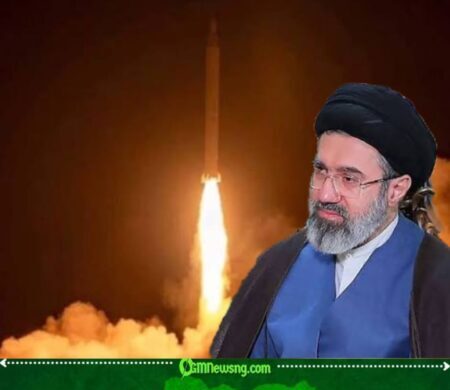
Iran launched a fresh wave of missiles targeting Tel Aviv and surrounding areas, intensifying an already volatile conflict and triggering air defense responses across Israel. Iran’s strike prompted sirens and widespread alerts, with interception systems activated as residents sought shelter amid the barrage.
The attack comes amid escalating hostilities between the two nations, with repeated exchanges raising fears of a prolonged and widening conflict. Analysts note that each new wave of strikes increases the risk of miscalculation and further escalation in an already fragile region.
Explosions were reported in multiple locations as defense systems attempted to intercept incoming projectiles, highlighting the intensity of the confrontation and the strain on security infrastructure.
Background to the Escalating Conflict
Iran has been engaged in an ongoing conflict with Israel that has seen multiple waves of missile and drone attacks in recent weeks. Iran has framed its actions as retaliation for earlier strikes and broader geopolitical tensions involving regional allies.
The conflict has disrupted daily life in affected areas, with civilians frequently forced into shelters and emergency services responding to damage and injuries. Airspace restrictions and security measures have also affected travel and economic activity.
Global powers and international organizations have expressed concern, urging restraint while warning of the potential for a wider regional war.
Military Developments and Defense Responses
Iran’s latest barrage demonstrates the continued capability to launch coordinated strikes despite ongoing countermeasures. Iran’s missile attacks have tested Israel’s multi-layered defense systems, including advanced interception technologies designed to neutralize incoming threats.
Israel’s defense network has intercepted a significant portion of incoming missiles, though some have caused damage on the ground. The system’s performance remains critical in limiting casualties and maintaining a level of protection for civilian areas.
Military analysts highlight the evolving tactics on both sides, noting that each wave of attacks provides new insights into capabilities and vulnerabilities.
Impact on Civilians and Infrastructure
Iran’s missile strikes have contributed to growing concern among civilians, particularly in densely populated urban areas like Tel Aviv. Iran’s actions have forced residents to adapt to repeated emergency conditions, including frequent alarms and temporary displacement.
Reports indicate that while many missiles are intercepted, falling debris and occasional impacts have caused structural damage and heightened anxiety among the population.
Emergency services continue to respond to incidents, working to secure affected areas and provide assistance to those impacted.
Iran and Regional Escalation Dynamics
Iran’s continued missile launches underscore the broader strategic dynamics shaping the conflict, with each side signaling both capability and resolve. Iran’s actions are seen as part of a wider effort to assert deterrence while responding to perceived threats.
Regional actors are closely monitoring the situation, as the conflict carries implications for neighboring countries and international alliances.
Diplomatic efforts have so far struggled to keep pace with the rapid escalation, leaving uncertainty about how the situation may evolve.
Outlook for the Conflict and Global Implications
Iran’s latest strike highlights the ongoing instability in the region and the challenges of de-escalation. Iran’s involvement remains central to the trajectory of the conflict, with future developments likely to depend on both military and diplomatic decisions.
The situation continues to influence global energy markets, security policies, and international relations, reflecting the far-reaching consequences of the confrontation.
As tensions persist, the international community remains focused on preventing further escalation while addressing the humanitarian and economic impacts of the conflict.
Table of Contents
Discover more from OGM News NG
Subscribe to get the latest posts sent to your email.