





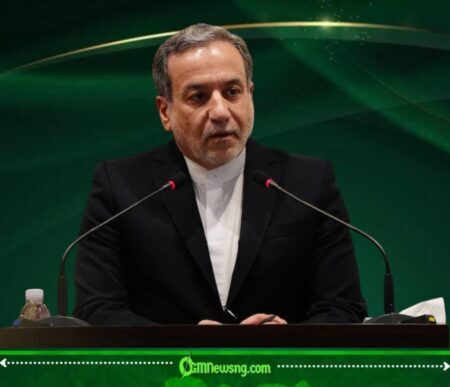
Iran Foreign Minister Araghchi, declared that Iran is fully prepared for the possibility of a U.S. ground invasion, a statement that underscores escalating tensions between the two nations. His remarks reflect a posture of readiness amid growing geopolitical uncertainty.
The statement comes at a time when regional instability and global security concerns are already heightened. Observers note that such declarations often serve both as deterrence and as signals to domestic and international audiences.
Military analysts suggest that rhetoric of preparedness is a common feature in periods of strained relations, though it does not necessarily indicate imminent conflict. Still, it contributes to an atmosphere of caution and vigilance.
Historical Context of US-Iran Relations
Iran Foreign Minister Araghchi, referenced longstanding tensions between Iran and the United States, pointing to decades of political, military, and economic disputes. These issues have shaped the current state of relations.
From sanctions to regional conflicts, the relationship has been marked by cycles of escalation and limited engagement. Each development adds another layer to an already complex dynamic.
Experts emphasize that understanding the historical context is essential for interpreting current statements and actions. The past continues to influence present-day decisions and strategies.
Iran Foreign Minister Araghchi and Strategic Messaging
Iran Foreign Minister Araghchi, framed his comments as a clear message of deterrence, emphasizing that Iran is prepared to defend its sovereignty under any circumstances. His words are being closely analyzed by policymakers worldwide.
Strategic messaging plays a critical role in international relations, particularly in high-stakes situations. Statements like these are often intended to influence perceptions and calculations on all sides.
Observers note that such declarations can have multiple audiences, including domestic constituents, allies, and adversaries, each interpreting the message through different lenses.
Military Preparedness and Capabilities
Iran Foreign Minister Araghchi, highlighted the country’s readiness in terms of defense capabilities, suggesting that preparations are in place to respond to potential threats. While details remain limited, the emphasis on readiness is clear.
Iran’s military infrastructure and strategic positioning have been subjects of analysis for years, with experts noting both strengths and limitations. Preparedness involves not only resources but also planning and coordination.
The broader question remains how such preparedness would translate in a real-world scenario, particularly given the complexities of modern warfare and international involvement.
Global and Regional Reactions
Iran Foreign Minister Araghchi, has prompted reactions from global leaders and regional stakeholders, many of whom are calling for restraint and dialogue. The international community is closely monitoring developments.
Allies and adversaries alike are assessing the potential implications of heightened rhetoric. Diplomatic channels remain active, with efforts underway to prevent further escalation.
The situation also affects neighboring countries, which often bear the immediate impact of regional tensions. Stability in the region remains a key concern.
What Lies Ahead
Iran Foreign Minister Araghchi, expressed confidence in Iran’s ability to respond to any threat, reinforcing a message of resilience and preparedness. His statement sets the tone for how Iran may approach future developments.
Analysts suggest that the coming weeks will be critical in determining whether tensions ease or intensify. Diplomatic efforts may play a crucial role in shaping outcomes.
Ultimately, the path forward will depend on a combination of rhetoric, policy decisions, and international engagement. The world watches closely as the situation continues to evolve
Table of Contents
Discover more from OGM News NG
Subscribe to get the latest posts sent to your email.