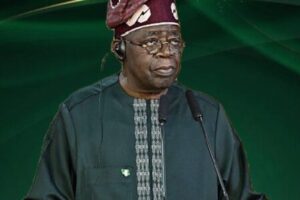




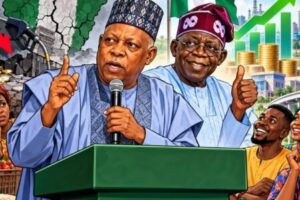

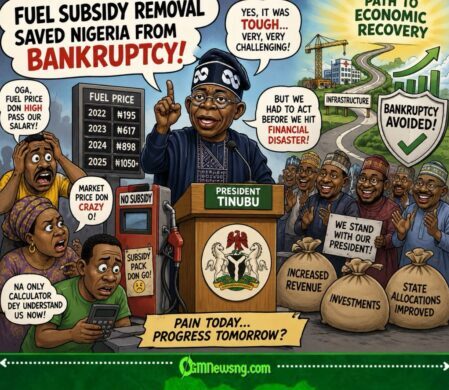
Fuel Subsidy and Bankruptcy don return enter national conversation after President Bola Tinubu defend one of the most controversial decisions of him administration. During meeting with governors and political stakeholders, the president insist say removing Fuel Subsidy save Nigeria from Bankruptcy and prevent serious financial collapse. The statement quickly spark fresh debate because while government dey talk about recovery, many citizens still dey wrestle with rising prices and cost-of-living pressure.
Fuel Subsidy Don Turn National Villain? Tinubu Say Na Wetin Save Nigeria From Bankruptcy
President Tinubu explain say Fuel Subsidy had become too expensive for government to maintain and dey drain public finances for years. According to him, the country spend massive resources on subsidy payments while critical sectors like infrastructure, agriculture and development projects no get enough funding. He describe the reform period as difficult, painful and full of criticism, but insist say Nigeria survive because the policy stop the country from moving closer to Bankruptcy.
The president also praise governors for supporting the reforms despite public anger. According to statements from the meeting, state governments now receive improved allocations and many states no longer depend heavily on federal intervention to pay salaries and fund projects. Supporters of the administration argue say Fuel Subsidy removal create more room for investment and help restore confidence among investors.
Fuel Subsidy Exit: Presidency Say Na Lifesaver, Street Traders Say Na Heartbreaker
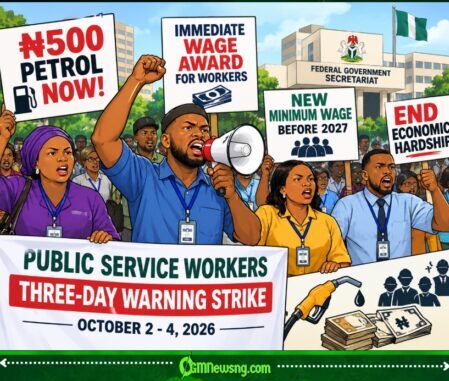
The Bankruptcy argument no start today. Economic analysts and public commentators have long debated whether Fuel Subsidy removal was inevitable or whether government should first build stronger safety nets before introducing such a major reform. Recent public discussions show say many Nigerians agree subsidy was expensive, but plenty people still question the timing and implementation because transport fares, food prices and living costs sharply increased after the policy took effect.
Additional reports indicate that Tinubu’s wider reforms, including exchange-rate changes and subsidy reductions, have improved some macroeconomic indicators and increased government revenue. However, these same reforms also contributed to one of the toughest cost-of-living periods in recent Nigerian history. Even among people wey support the reform, many still argue say ordinary citizens need stronger protection from inflation before government can fully celebrate victory.
For now, the Fuel Subsidy matter remain one of the biggest political and economic arguments in Nigeria. Government dey point at improved revenues, infrastructure projects and economic indicators. Critics dey point at market prices, transport costs and shrinking purchasing power. Whether Fuel Subsidy truly rescue Nigeria from Bankruptcy or simply postpone another round of hard questions, na discussion wey likely go remain for public square as 2027 politics slowly dey warm up.
Table of Contents
Discover more from OGM News NG
Subscribe to get the latest posts sent to your email.