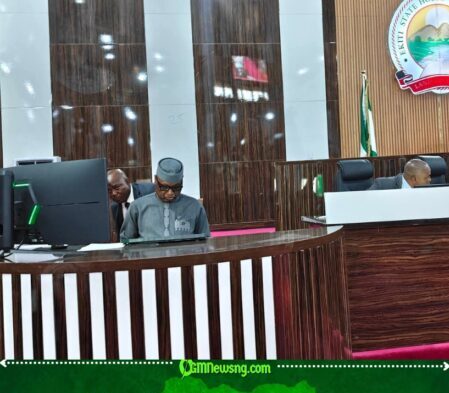







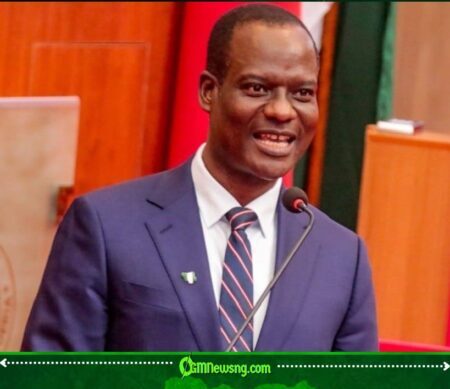
Finance Minister Taiwo Oyedele and Economic reforms discussions gained fresh national attention after S&P Global Ratings upgraded Nigeria’s sovereign credit rating from B- to B with a stable outlook. The development follows similar rating actions earlier in 2025 by Fitch and Moody’s, strengthening the Federal Government’s position that international confidence in Nigeria’s economy is gradually improving under President Bola Ahmed Tinubu’s administration.
Finance Minister Taiwo Oyedele described the upgrade as evidence that Nigeria’s fiscal reforms and economic restructuring efforts are beginning to attract broader recognition from global financial institutions. According to him, the administration’s commitment to fiscal discipline, revenue reforms, and macroeconomic stability is helping reposition Nigeria’s economy for long-term growth.
The minister emphasized that sovereign credit ratings remain important indicators for international investors, lenders, and financial markets when assessing a country’s economic stability and borrowing risks. Improved ratings can strengthen investor confidence, potentially lower borrowing costs, and increase foreign investment opportunities.
However, despite the positive external assessment, public conversations around Nigeria’s economy remain deeply divided as citizens continue grappling with inflation, rising food prices, and broader cost-of-living pressures. Analysts note that while international agencies may acknowledge reform efforts, many Nigerians are primarily focused on whether those policies eventually translate into measurable improvements in daily economic conditions.
Finance Minister Taiwo Oyedele and Investor Confidence
Finance Minister Taiwo Oyedele has increasingly emerged as one of the leading public voices defending the administration’s economic reform strategy amid difficult fiscal adjustments and widespread public debate.
According to the minister, reforms introduced by the Tinubu administration are designed to correct long-standing structural weaknesses in public finance, improve fiscal transparency, and strengthen economic sustainability over time.
Economic analysts say recent rating upgrades suggest that international financial institutions are beginning to respond positively to policy consistency, fiscal coordination, and efforts aimed at stabilizing Nigeria’s macroeconomic environment.
At the same time, experts caution that positive credit assessments alone may not immediately reduce hardship unless accompanied by stronger currency stability, employment growth, lower inflation, and broader economic expansion.
Economic Reforms and Public Expectations
Economic reforms remain one of the most politically sensitive issues in Nigeria as citizens continue debating the costs and benefits of the government’s policy direction.
Supporters of the administration argue that difficult measures such as subsidy removal, revenue restructuring, and fiscal tightening were necessary to address years of economic inefficiencies and financial strain.
Critics, however, maintain that many Nigerians continue facing severe economic hardship despite improving international investor sentiment and favorable assessments from rating agencies.
Observers say the contrast between positive global financial outlooks and domestic economic frustrations could remain a defining political challenge for the administration moving toward future electoral cycles.
For now, Finance Minister Taiwo Oyedele’s remarks on Nigeria’s improving Credit rating and ongoing Economic reforms have reinforced government claims that international confidence in the country’s economic direction is increasing, even as citizens continue demanding faster improvements in living conditions and economic stability. OGM News Nigeria will continue monitoring economic indicators, policy developments, and investor reactions nationwide.
Table of Contents
Discover more from OGM News NG
Subscribe to get the latest posts sent to your email.