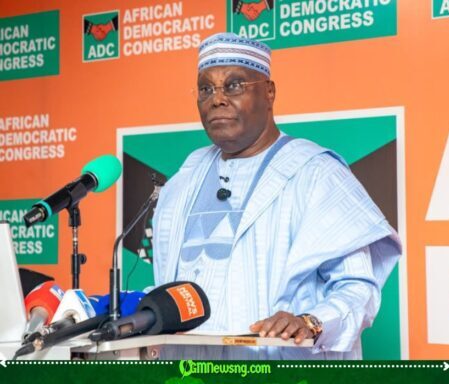










Former Aviation Minister Femi Fani-Kayode has become the focal point of an emerging diplomatic controversy after Germany reportedly rejected his nomination as Nigeria’s ambassador. The decision, which has generated widespread reactions both locally and internationally, is said to be tied to his history of controversial public statements, particularly those perceived as divisive along ethnic and religious lines.
Diplomatic insiders indicate that German authorities expressed serious reservations about Fani-Kayode’s past rhetoric, describing it as incompatible with the values expected of foreign representatives within their jurisdiction. In international diplomacy, ambassadors are not only policymakers but also symbols of national identity, and Germany’s response reflects its strict adherence to standards of inclusivity, tolerance, and responsible speech.
For Fani-Kayode, a figure long known for his outspoken political style, the development marks a significant turning point. While he has remained influential in Nigeria’s political discourse, this latest episode underscores the global implications of domestic political expression, especially when it intersects with international assignments.
Femi Fani-Kayode’s Controversial Record Under Global Scrutiny
Over the years, Femi Fani-Kayode has built a reputation as one of Nigeria’s most vocal and polarizing political figures. His frequent commentary on national issues, often delivered with strong language, has attracted both loyal supporters and sharp critics. However, in the context of diplomatic service, such a record has now come under intensified global scrutiny.
Sources familiar with the matter suggest that Germany’s decision was influenced by documented instances of Fani-Kayode’s past remarks, which officials reportedly viewed as inflammatory. In a world where diplomatic engagement increasingly prioritizes soft power, cultural sensitivity, and mutual respect, such statements can significantly affect a nominee’s acceptability on the international stage.
The controversy has reignited discussions within Nigeria about the standards used in selecting ambassadors. Analysts argue that while political loyalty and experience are important, the ability to represent a nation without generating diplomatic friction is equally critical—an area where Fani-Kayode’s record has now been called into question.
Political and Diplomatic Fallout for Femi Fani-Kayode and Nigeria
The rejection of Femi Fani-Kayode has broader implications not just for his personal political trajectory but also for Nigeria’s diplomatic strategy under President Bola Ahmed Tinubu. The administration must now navigate the delicate task of responding to Germany’s decision while maintaining strong bilateral relations.
For Fani-Kayode, the development may reshape his future role within Nigeria’s political landscape. While he remains a prominent voice, the international backlash could influence how he is perceived in terms of suitability for sensitive positions that require global acceptance and credibility.
At a national level, the situation highlights the importance of aligning domestic political choices with international expectations. As Nigeria continues to assert itself on the global stage, the selection of diplomatic envoys—especially high-profile figures like Kayode—will likely face greater scrutiny to ensure they reflect values that resonate beyond the country’s borders.
Table of Contents
Discover more from OGM News NG
Subscribe to get the latest posts sent to your email.