








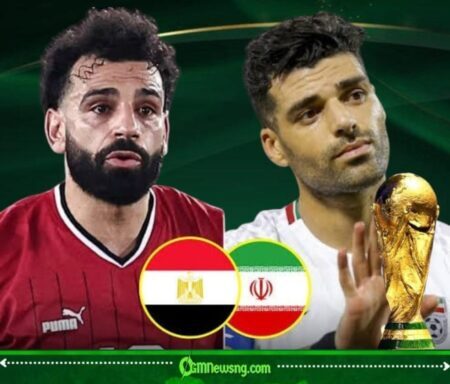
PRIDE MATCH has become the center of an international dispute after Egypt and Iran formally objected to LGBTQ-related branding surrounding their FIFA World Cup fixture in Seattle, arguing that such associations conflict with their Islamic religious values and cultural traditions. The controversy has rapidly transformed what should have been a routine group-stage encounter into one of the tournament’s most closely watched off-the-pitch stories, raising fresh questions about where football ends and cultural politics begin.
Egypt and Iran Challenge Pride Designation Before World Cup Clash
Egypt and Iran submitted formal objections regarding Seattle’s decision to promote their World Cup fixture as a Pride Match because the game coincides with the city’s annual Pride celebrations. Officials from both nations argued that linking their national teams with Pride-related activities does not reflect their religious beliefs or national values, urging FIFA to prevent such branding from being associated with the match. Their position immediately attracted worldwide attention, with supporters and critics offering sharply divided opinions across social media and the football community.
Despite the objections, organizers explained that the Pride designation originated from Seattle’s local World Cup organizing committee rather than FIFA itself. FIFA has also maintained that rainbow flags remain permitted inside stadiums under tournament regulations while emphasizing that host cities are responsible for many local fan engagement activities. As a result, the disagreement has evolved into a broader discussion about the relationship between international sporting events and the cultural identity of host cities.
Religion or Inclusion? PRIDE MATCH Forces FIFA Into an Impossible Position
The PRIDE MATCH controversy illustrates the increasingly complex reality facing international sporting organizations. Global tournaments regularly bring together nations with dramatically different legal systems, religious traditions, and social values. While Seattle views Pride celebrations as part of its civic identity and commitment to inclusion, Egypt and Iran maintain laws and public policies that reflect a different cultural and religious perspective. FIFA has therefore found itself navigating competing expectations while attempting to preserve the tournament’s focus on football.
Beyond the immediate disagreement lies a wider conversation about whether international competitions should adapt to the customs of participating nations or whether host cities should remain free to celebrate their own values regardless of visiting teams. The debate has demonstrated that modern football is no longer judged solely by goals, tactics, or trophies. Instead, global sporting events increasingly become platforms where cultural, political, and religious differences are debated before millions of viewers around the world.
As attention shifts toward kick-off, many supporters hope the football itself will reclaim the spotlight. Yet regardless of the final score, the PRIDE MATCH has already secured its place among the defining talking points of the 2026 FIFA World Cup. OGM News Nigeria will continue monitoring developments surrounding the fixture as FIFA, participating nations, and local organizers respond to one of the tournament’s most significant off-field controversies.
Table of Contents
Discover more from OGM News NG
Subscribe to get the latest posts sent to your email.