






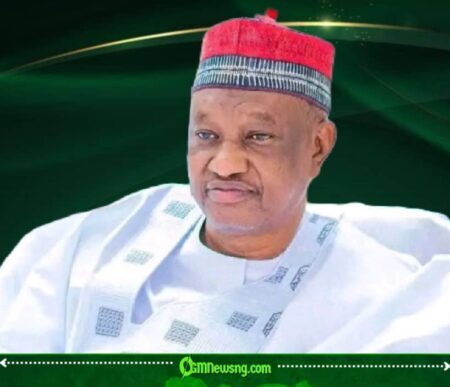
The resignation of Aminu Abdussalam Gwarzo has sent shockwaves across Kano State, marking a critical moment in the state’s political trajectory. Once regarded as a key pillar within the current administration, Gwarzo’s sudden exit has raised pressing questions about internal stability and leadership cohesion.
The development comes at a time when political tensions have been quietly brewing beneath the surface, with insiders pointing to unresolved disagreements and power struggles within the executive council. While official communication has remained measured, the timing and nature of the resignation suggest deeper issues that could reshape Kano’s governance structure.
Deputy Governor Aminu Abdussalam Gwarzo at the Center of Political Fallout
The decision by Deputy Governor Aminu Abdussalam Gwarzo to step down has placed him firmly at the center of a growing political storm. Reports indicate that his resignation followed a series of high-level disagreements over governance priorities, administrative control, and policy direction within the state government.
Sources familiar with the situation suggest that tensions had escalated in recent months, with Gwarzo reportedly expressing concerns about marginalization and lack of alignment with key decisions. These internal disputes, though largely shielded from the public, appear to have reached a breaking point, ultimately leading to his departure.
Political observers note that Gwarzo’s role was not merely ceremonial but instrumental in coordinating key aspects of governance. His resignation, therefore, represents more than a routine political shift—it signals a potential fracture within the leadership structure that could have far-reaching implications.
Governance Impact Following Gwarzo’s Resignation
The exit of Deputy Governor Aminu Abdussalam Gwarzo has created immediate concerns regarding the continuity of governance in Kano State. As the second-highest-ranking official, his office played a crucial role in policy execution, inter-agency coordination, and administrative oversight.
With his resignation, there are growing fears that ongoing projects and initiatives may face delays or disruptions. Stakeholders across various sectors—including education, healthcare, and infrastructure—are closely monitoring the situation, wary of potential setbacks that could arise from the sudden leadership gap.
Public reaction has also been significant, with citizens demanding clarity and transparency. Many residents view the resignation as a sign of deeper instability within the government, prompting calls for decisive action to restore confidence and ensure that governance remains unaffected.
Political Reactions and What Lies Ahead for Gwarzo
In the wake of the resignation, reactions from political actors have been swift and varied. Allies of Deputy Governor Aminu Abdussalam Gwarzo have praised his service and integrity, while critics argue that his exit exposes underlying weaknesses within the current administration.
Attention is now turning to what lies ahead for Gwarzo, both politically and personally. Analysts suggest that his next move could significantly influence political dynamics in Kano State, especially if he chooses to align with emerging factions or pursue independent political ambitions.
As the state prepares for a transition, the appointment of a successor and the response of key stakeholders will be crucial in determining the path forward. For now, the resignation of Deputy Governor Aminu Abdussalam Gwarzo remains a defining moment—one that could reshape the political future of Kano State in the months to come.
Table of Contents
Discover more from OGM News NG
Subscribe to get the latest posts sent to your email.