




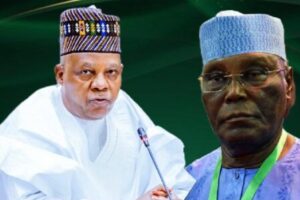




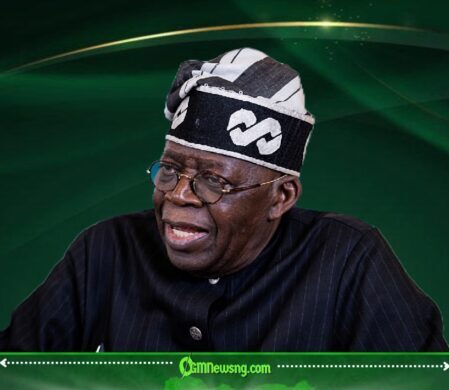
The Bola Ahmed Tinubu administration has rejected an assessment by The Economist suggesting widespread dissatisfaction with President Bola Tinubu, describing the characterization as “intellectual fraud.” The Presidency said the report failed to adequately reflect the economic and structural reforms undertaken since Tinubu assumed office.
Special Adviser to the President on Media and Public Communications, Sunday Dare, defended the administration’s policies, arguing that the government inherited significant economic challenges and deliberately embarked on reforms aimed at restructuring the Nigerian economy.
Bola Ahmed Tinubu Presidency Defends Reforms Amid Public Discontent
The Presidency pointed to reforms including the removal of the petrol subsidy, foreign-exchange reforms, the Nigerian Education Loan Fund, a higher national minimum wage and initiatives involving compressed natural gas and agriculture.
Dare acknowledged the hardship associated with some of the reforms but argued that the difficulties should be viewed alongside the economic distortions the administration inherited. He maintained that Tinubu’s government chose to confront longstanding problems rather than postpone them.
Bola Ahmed Tinubu Faces Competing Narratives Ahead of 2027
The controversy has added another dimension to the political debate ahead of Nigeria’s 2027 presidential election. While the Presidency argues that Tinubu’s reforms are repositioning the economy, opposition voices maintain that economic hardship and the cost of living remain major concerns for ordinary Nigerians.
The competing narratives leave voters with contrasting assessments of the Tinubu administration. Supporters emphasize economic restructuring and longer-term reforms, while critics focus on the immediate impact of inflation, food prices, transportation costs, electricity expenses and other pressures on households and businesses.
The debate over Tinubu’s popularity is therefore likely to remain a major feature of Nigeria’s political conversation as the country moves closer to 2027. OGM News NG continues to monitor the Tinubu administration, its economic reforms and the political debate surrounding Nigeria’s next presidential election.
Table of Contents
Discover more from OGM News NG
Subscribe to get the latest posts sent to your email.