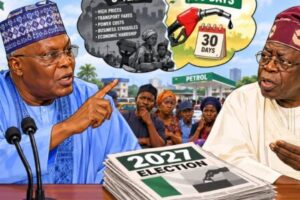






President Bola Ahmed Tinubu has openly acknowledged the mounting economic hardship faced by Nigerians, particularly the rising cost of fuel and its ripple effects on daily living. In a recent statement, the president admitted that fuel prices are “biting hard,” reflecting the growing pressure on households and businesses across the country. His remarks come at a time when inflation continues to strain disposable income and deepen concerns about economic sustainability.
Despite these challenges, Tinubu urged citizens to adopt a broader perspective by comparing Nigeria’s situation with that of other African countries. According to him, while Nigerians are experiencing economic discomfort, the country still fares better than some of its continental counterparts. This comparison, he suggested, should encourage a sense of gratitude even in difficult times.
Bola Ahmed Tinubu comments have sparked nationwide conversations, with many Nigerians weighing the balance between acknowledging hardship and maintaining optimism. While some citizens agree with the call for gratitude, others argue that such comparisons may not adequately address the immediate realities of rising living costs and economic uncertainty.
Economic Reforms, Fuel Prices, and Rising Cost of Living in Nigeria
The current economic climate in Nigeria has been largely shaped by key policy decisions taken by the Tinubu administration, including the removal of fuel subsidies. This move, while aimed at reducing government expenditure and encouraging market efficiency, has led to a significant increase in fuel prices, directly impacting transportation, food distribution, and overall cost of living.
As fuel prices surged, the effects quickly spread across multiple sectors of the economy. Businesses have struggled to maintain stable pricing, while consumers are facing higher costs for essential goods and services. The situation has intensified public scrutiny of government policies, with many calling for more comprehensive measures to cushion the impact on vulnerable populations.
Economic analysts remain divided on the long-term implications of these reforms. While some experts argue that the policies are necessary to stabilize Nigeria’s economy and attract investment, others believe that the lack of immediate relief measures has worsened socioeconomic conditions. The debate continues to highlight the complex balance between economic reform and social welfare.
Public Reactions and Ongoing Debate Over
President Tinubu’s statement has generated mixed reactions from the public, political stakeholders, and civil society organizations. Supporters of the administration have defended the president’s position, emphasizing the importance of resilience and long-term vision in navigating economic reforms. They argue that short-term hardship is often a necessary step toward achieving sustainable growth.
However, critics have expressed concern that comparing Nigeria to other struggling economies may not provide meaningful comfort to citizens facing daily financial strain. Many Nigerians have taken to social media and public forums to share their experiences, highlighting the challenges of affording basic necessities such as food, transportation, and housing.
As the conversation continues, the focus remains on how the government plans to address these concerns while maintaining its reform agenda. The Tinubu administration has reiterated its commitment to implementing policies that will ultimately strengthen the economy. Nevertheless, the effectiveness of these strategies—and their impact on the average Nigerian—will play a crucial role in shaping public opinion and the country’s economic future.
Table of Contents
Discover more from OGM News NG
Subscribe to get the latest posts sent to your email.