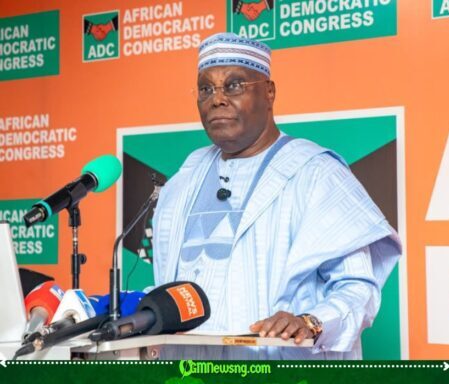









The African Democratic Congress (ADC) has openly rejected the interpretation given by the Independent National Electoral Commission (INEC) regarding a recent Court of Appeal ruling tied to the party’s internal leadership dispute. The disagreement has introduced fresh uncertainty into the party’s administrative structure and raised broader concerns about electoral neutrality.
In a strongly worded statement issued on Wednesday, the ADC accused the electoral body of misrepresenting the court’s decision and acting under external influence. The development follows INEC’s move to remove the names of David Mark and Rauf Aregbesola from its official portal as National Chairman and National Secretary of the party, respectively.
Dispute Over Court Interpretation Deepens
The ADC maintained that INEC’s position does not accurately reflect the ruling of the Court of Appeal. According to the party’s National Publicity Secretary, Bolaji Abdullahi, the commission’s statement contains inconsistencies that contradict both legal reasoning and factual evidence.
He emphasized that the party had anticipated such a development, alleging that INEC’s actions were influenced by external political pressures. Abdullahi further argued that the interpretation presented by the commission distorts the essence of the court’s judgment and undermines due process.
The controversy highlights ongoing tensions between political parties and regulatory institutions in Nigeria, particularly regarding the interpretation and enforcement of judicial decisions in politically sensitive matters.
Allegations of Bias and External Pressure
In its response, the ADC went beyond legal arguments to question the neutrality of the electoral commission. The party alleged that INEC had “caved to pressure” and aligned itself with interests opposed to the growth of opposition parties.
Abdullahi suggested that the ADC’s increasing political momentum may have triggered attempts to weaken its leadership structure. He described the commission’s actions as part of a broader pattern of interference that could undermine democratic competition.
These claims, if substantiated, could have significant implications for public confidence in electoral institutions and the perceived independence of regulatory bodies in Nigeria’s political landscape.
ADC Weighs Next Steps Amid Uncertainty
Amid the unfolding dispute, the ADC has indicated that it is reviewing its options and will soon announce its next course of action. The party called on its members and supporters to remain calm and await further directives.
Political analysts note that the outcome of this disagreement could shape internal party dynamics as well as influence the broader opposition landscape. The situation may also prompt further legal clarification on the interpretation of the Court of Appeal’s ruling.
As the matter develops, attention will remain focused on how both the ADC and INEC navigate the dispute, and whether a resolution can be reached without escalating institutional tensions.
Table of Contents
Discover more from OGM News NG
Subscribe to get the latest posts sent to your email.