







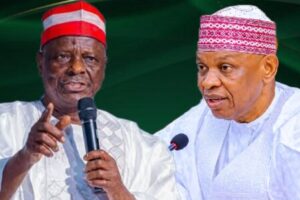



Nigeria’s ambition to become self-sufficient in rice production is facing fresh questions after former Vice President and African Democratic Congress (ADC) presidential candidate, Atiku Abubakar, criticised President Bola Tinubu’s administration over the reported closure of more than 90 integrated rice mills across the country. Atiku wants the Federal Government to explain how its reported ₦450 billion intervention in the rice industry has translated into tangible benefits for farmers and mill operators, particularly when several businesses in the sector are reportedly struggling to remain operational. In what appears to be another uncomfortable agricultural examination for the Tinubu administration, Atiku is demanding evidence that the money announced for farmers has actually reached those who need it.
₦450 Billion Announced, But Where Are the Farmers and Reopened Mills Says Atiku?
In a statement released on Friday, November 27, 2026, through his Director of Strategic Communication, Phrank Shaibu, Atiku questioned the Federal Government’s claim that ₦450 billion had been committed to supporting rice production. According to the breakdown he referenced, ₦250 billion was earmarked for smallholder farmers, while another ₦200 billion was allocated to a Guaranteed Minimum Price Programme. Atiku wants the government to publish the actual amount disbursed, identify the beneficiaries and explain how much locally produced rice was purchased under the intervention.
The former vice president argued that announcing billions of naira is not the same as demonstrating agricultural progress. He demanded evidence of farmers who received the money and rice mills that had resumed operations. His central argument is difficult to ignore: if such a substantial intervention has been committed to the industry, Nigerians deserve to see measurable results rather than simply admire impressive figures in government announcements. After all, a rice mill cannot operate on press statements, and farmers cannot fertilise their fields with promises.
More Than 90 Rice Mills Shut as Import Concession Raises Questions
The controversy comes amid reports that more than 90 of Nigeria’s approximately 260 integrated rice mills have stopped operating. Industry operators have attributed the situation to inadequate supplies of locally grown paddy, expensive fertilisers, rising diesel prices and competition from cheaper imported rice. Farmers in Kano, Kebbi, Katsina and other rice-producing areas are also reportedly struggling with insecurity and increasing production expenses. The consequences extend beyond mill owners to farmers, transporters, workers and investors whose livelihoods depend on a functioning rice production chain.
Atiku also questioned an alleged import concession granted to Ocean Glory Commodities Limited for the importation of 150,000 metric tonnes of husked brown rice. He referred to purported documents dated August 27 and September 9, 2026, which allegedly authorised the importation under a one-year arrangement involving 10 per cent duty, zero levy and exemption from Value Added Tax. He challenged the Federal Government to authenticate the documents, disclose the conditions attached to the approval and reveal whether any rice had already entered the country under the arrangement.
The alleged concession raises an important policy question: how can local producers compete effectively if imported rice receives favourable treatment while domestic production costs continue to rise? However, the authenticity and implementation of the reported approval still require official clarification.
In the final analysis, Nigeria’s rice industry needs more than impressive budgetary announcements and ambitious agricultural slogans. It needs accessible financing, affordable farm inputs, security for farmers, dependable paddy supplies and policies that encourage local investment. Atiku has demanded accountability, while the government now faces questions about the reported intervention and import concession. Whether the ₦450 billion programme will produce visible results or remain another subject of political argument is a matter Nigerians will be watching. OGM News NG will continue monitoring the developments and bringing readers further updates.
Table of Contents
Discover more from OGM News NG
Subscribe to get the latest posts sent to your email.