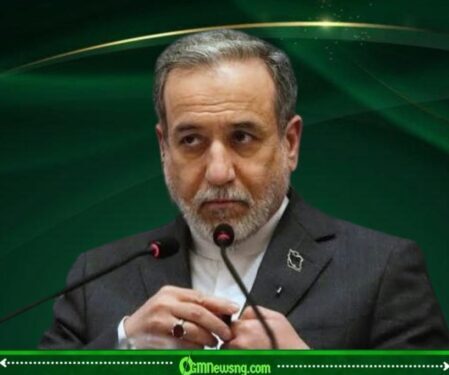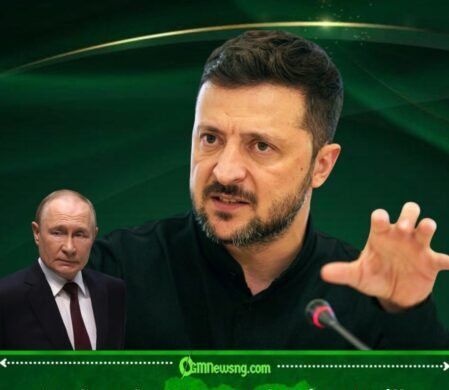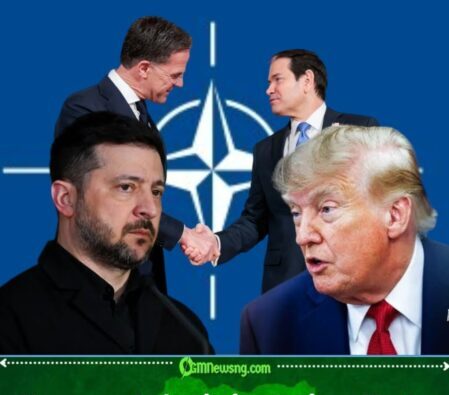








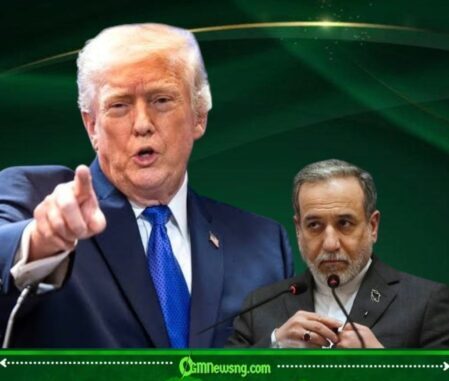
President Donald J. Trump has declared that the United States is “not negotiating” with Iran, delivering another blunt message as the conflict between Washington and Tehran continues to threaten regional stability. In remarks reported on October 22, 2026, Trump said that something would happen “fairly soon,” leaving observers wondering whether the next major development would come through diplomacy or a further escalation of the conflict. The statement has placed Trump at the centre of renewed international attention, with the future of negotiations and the wider Middle East situation hanging in the balance.
Trump Rules Out Negotiations as Tensions Continue
Trump’s latest declaration comes after months of conflict, stalled diplomatic efforts and disagreements over Iran’s nuclear programme, economic sanctions and the strategically important Strait of Hormuz. Previous attempts to reach an understanding have struggled to produce a lasting breakthrough, while mediators have continued trying to bridge the gap between the two sides. Trump has insisted that Washington is not negotiating, even as reports indicate that diplomatic messages and proposals have continued to circulate through intermediaries.
In the theatre of international politics, Trump’s message has effectively placed the negotiation table on standby, with its chairs waiting patiently for guests who may not be arriving anytime soon. Diplomats could be forgiven for keeping their phones switched on and their travel bags half-packed, because in this dispute, a closed door today does not necessarily mean that tomorrow’s doorbell will remain silent.
Trump Leaves the World Guessing About America’s Next Move
Trump has also suggested that developments could come soon, but his remarks do not establish precisely what the United States intends to do next. The uncertainty is particularly significant because the conflict has affected regional security and shipping through the Strait of Hormuz, a vital route for international energy supplies. Reports published on October 21 indicated that Iranian officials still described indirect negotiations over a ceasefire proposal, highlighting the difference between Washington’s public message and Tehran’s account of diplomatic contacts.
For Trump, the challenge is to demonstrate that his hard-line approach can achieve America’s objectives without prolonging a conflict with wider economic and security consequences. For the rest of the world, the waiting game is less amusing: oil markets, regional governments and ordinary people have reasons to care about whether the standoff moves towards an agreement or another escalation. Even when leaders insist that negotiations are off the table, international crises have a habit of bringing the table back into the room.
As Donald maintains that the United States is not negotiating with Iran, attention now turns to what his administration will do next and whether indirect diplomatic efforts can survive the continuing deadlock. The difference between public declarations and behind-the-scenes contacts remains crucial to understanding the situation. OGM News NG will continue monitoring developments and bringing readers further updates as this consequential international story unfolds.
Table of Contents
Discover more from OGM News NG
Subscribe to get the latest posts sent to your email.