

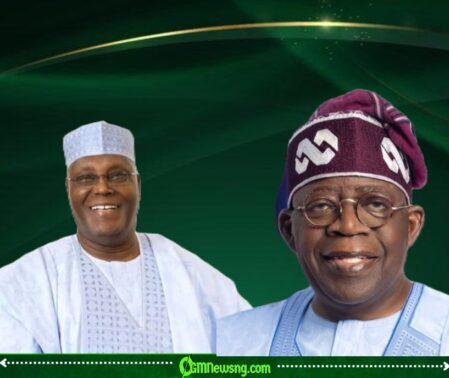
Former Vice President Atiku Abubakar has challenged President Bola Tinubu’s administration to account for the ₦10 billion reportedly approved for Ebola preparedness, arguing that a confirmed case in Abuja has raised serious questions about emergency planning, disease surveillance and the protection of frontline health workers. In a statement issued by Phrank Shaibu, Director of Strategic Communication of the African Democratic Congress (ADC) Presidential Campaign Council, Atiku demanded a transparent account of the funds and questioned the government’s handling of the reported outbreak. The controversy has now placed public health accountability, emergency spending and political freedoms at the centre of a growing debate.
₦10 Billion Question: Where Is the Money Meant to Protect Nigerians Says Atiku?
Atiku’s central question is straightforward: if the government announced emergency funding to prepare Nigeria for a dangerous infectious disease, where is the evidence that the money reached the people and institutions responsible for protecting the public? He has called for the publication of actual disbursements, payment dates, contracts, recipients and evidence of delivered supplies. In a matter involving public health, the demand is more than political theatre. Nigerians have a legitimate interest in knowing whether announced funds were released, how they were spent and whether the intended preparations were completed.
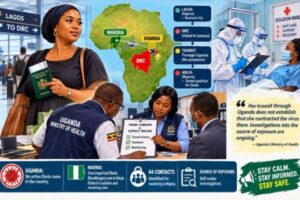
The timeline presented in Atiku’s statement has intensified those concerns. According to the account he provided, the patient arrived in Nigeria on October 5, developed symptoms on October 7 and sought treatment at a private hospital on October 11, while public confirmation reportedly came on October 20. Atiku also alleged that 44 close contacts were left unmonitored during a critical period and that private healthcare workers lacked adequate protective equipment.
These claims require urgent verification and a clear response from the relevant health authorities. When an infectious disease is involved, delays in detection, isolation, contact tracing and risk communication can create serious public-health challenges. The government must therefore explain what happened at each stage and what measures were taken to protect patients, health workers and the wider population.
Medical Experts, Political Suspicion and the Right to Vote
Atiku also questioned the decision to place a presidential task force chaired by Chief of Staff Femi Gbajabiamila at the centre of the preparedness effort. His argument is that political coordination must not overshadow medical expertise. Agencies such as the Nigeria Centre for Disease Control and Prevention (NCDC), alongside epidemiologists, clinicians and other public-health professionals, need the authority, resources and operational independence to manage an infectious-disease emergency. Political leaders can coordinate government action, but they cannot substitute for trained specialists carrying out surveillance, infection prevention and contact tracing.
The political dimension became even more contentious when Atiku alleged that a planned announcement by the Minister of Health was intended to discourage Nigerians from attending campaign rallies and ultimately voting. That is a serious allegation, and evidence would be needed to establish the purpose of any proposed restrictions or public-health announcement. Genuine disease-control measures may sometimes affect large gatherings, but they should be based on medical evidence, applied fairly and communicated transparently—not used as a pretext to restrict lawful political participation.
Atiku further questioned the ministry’s reported ₦35 million disbursement under the 2025 appropriation and its alleged lack of involvement in the Ebola prevention programme. Those figures and assertions also require independent examination and an official explanation.
The phrase “Bola and Ebola” may provide a sharp political punchline, but the underlying issue is too serious to be reduced to a slogan. Public money must be accounted for, allegations must be investigated, and public-health decisions must be guided by evidence rather than political convenience.
The Tinubu administration should provide a verifiable account of the preparedness funding, clarify the reported response timeline and explain how health workers and potentially exposed contacts were protected. Nigerians should also await authoritative updates from public-health agencies rather than rely on unverified claims about the outbreak. Stay with OGM News NG for further updates as the questions surrounding the reported Ebola case, emergency preparedness and the ₦10 billion funding controversy develop.
Table of Contents
Discover more from OGM News NG
Subscribe to get the latest posts sent to your email.