







ADO-EKITI, Ekiti State — Governor Biodun Oyebanji has begun his second term in office with renewed promises to prioritise job creation, agriculture, electricity, skills development and infrastructure, declaring that the real measure of his administration’s success will be how much it improves the lives of ordinary citizens.
At his inauguration ceremony in Ado-Ekiti on Friday, the governor presented an economic vision in which roads would do more than decorate government reports, electricity would do more than feature in campaign speeches, and agriculture would become more than an occupation associated with hard work and uncertain returns. His message was clear: Ekiti residents deserve development they can feel in their pockets, businesses and homes.
Yet, as the familiar vocabulary of prosperity, investment and opportunity returns for another political term, the biggest question is whether these commitments will translate into measurable improvements for families struggling with food prices, transportation costs, education expenses and other essential needs.
Oyebanji Pledges Better Livelihoods and Economic Opportunities for Ekiti Residents
Oyebanji said his administration would judge its performance by the extent to which public spending and infrastructure projects deliver practical benefits. He argued that roads should help farmers move produce to markets before it spoils, while reliable electricity should support industries, improve productivity and enable small businesses to operate more efficiently. In other words, a road that looks impressive at an inauguration but fails to improve commerce would hardly qualify as economic transformation.
The governor also pledged to strengthen education, healthcare and skills development, with particular attention to young people entering a changing labour market. He wants schools to equip students with practical abilities and confidence, while healthcare facilities should provide accessible treatment without forcing families to exhaust their savings. These are ambitious objectives, but their success will depend on funding, implementation, accountability and the availability of real employment opportunities rather than promises alone.
For households facing rising living costs, the distinction between announcing development and delivering it is especially important. A new road may improve transportation, but families will also want to know whether transport fares become more manageable, businesses expand, and workers earn enough to meet basic needs. The administration’s challenge is therefore to connect government projects with visible improvements in household welfare.
Agriculture and Youth Employment: Can Ekiti Turn Potential Into Prosperity?
Agriculture featured prominently in Oyebanji’s second-term agenda. He pledged to expand productivity and strengthen the agricultural value chain through processing, storage, packaging, transportation and marketing. He also identified farm clusters, electricity, water supply, transportation and access to capital as important components of agricultural development. The goal is to help farmers earn more from their labour instead of leaving them vulnerable to poor storage, inadequate infrastructure and weak market access.
The governor further called for young people to view agriculture as a viable business capable of attracting technology, innovation and investment. His argument recognises that farming can create jobs beyond the fields, including opportunities in food processing, logistics, equipment maintenance, packaging and distribution. However, turning this vision into reality will require accessible financing, reliable markets, practical training and policies that make agricultural businesses commercially sustainable.
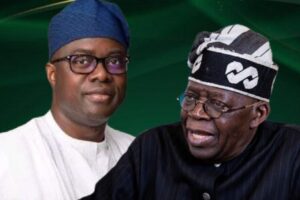
President Bola Tinubu congratulated Oyebanji on his inauguration and urged him to build on his previous achievements to deliver more benefits to Ekiti residents. Represented by Vice President Kashim Shettima at the ceremony, Tinubu described Oyebanji’s victory as evidence of public trust in his administration and the All Progressives Congress. The occasion also carried a broader political message, with Shettima urging residents to support Tinubu’s second-term ambition. Nevertheless, for residents measuring politics through the cost of living and access to jobs, the immediate test will remain the delivery of promised economic benefits.
As Oyebanji begins his second term, Ekiti State faces a familiar but consequential challenge: converting political commitments into jobs, productive farms, reliable electricity and better public services. The governor has outlined the priorities, but residents will ultimately judge the administration by the results they experience, not the promises they hear. OGM News NG will continue to monitor the policies, projects and developments that determine whether this new chapter delivers lasting prosperity for Ekiti families.
Table of Contents
Discover more from OGM News NG
Subscribe to get the latest posts sent to your email.