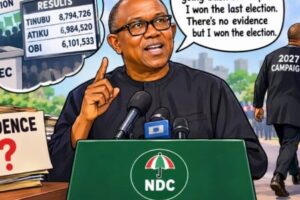





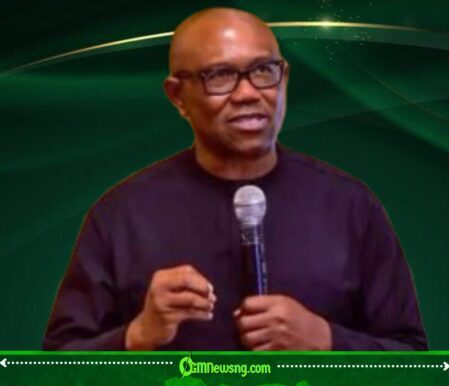
Peter Obi has thrown Nigeria’s already heated fuel-subsidy debate into a fresh political storm after saying he would restore petrol subsidy if elected president in 2027 — but only after removing the corruption he says has surrounded the scheme. The position marks a notable shift from his 2023 campaign stance, when he argued that subsidy should be removed and the money redirected to education, healthcare and infrastructure.
Obi Promises Subsidy Return After Once Backing Its Removal
Obi’s latest declaration comes after the opposition politician was asked directly whether he would return subsidy if elected. His answer was yes, with a major qualification: his proposed government would retain the benefit of subsidy while eliminating what he described as the corruption attached to its implementation.
That argument gives the subsidy debate a new twist. Rather than presenting the choice simply as “subsidy or no subsidy,” Obi is now proposing a system in which government intervention could keep petrol prices lower while tighter controls prevent public funds from being diverted. Politically, however, the shift is likely to invite questions about why his position appears different from the one he promoted during the 2023 presidential election.
Kwankwaso Connection and the 2027 Political Calculation
The development also follows comments attributed to Obi’s running mate, Rabiu Kwankwaso, who recently backed the idea of restoring subsidy “in our own way.” Kwankwaso has argued that greater domestic refining and petroleum production could help Nigerians access fuel at more affordable prices rather than relying on a system vulnerable to corruption and excessive costs.
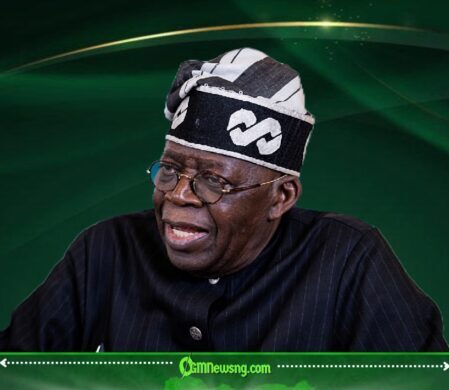
President Bola Tinubu’s 2023 declaration that “fuel subsidy is gone” became one of the defining economic decisions of his administration. The policy triggered significant increases in petrol prices and contributed to a fierce national debate over inflation, household hardship, government spending and whether subsidy removal should have been implemented differently.
For Obi, the latest position could therefore become both an economic proposal and a political test. Supporters may see it as a promise to protect Nigerians from high fuel costs, while critics may portray it as an electoral U-turn designed to appeal to voters frustrated by the consequences of subsidy removal. The controversy is unlikely to disappear as the 2027 presidential contest gathers momentum.
The subsidy argument has now entered another chapter, with Obi attempting to distinguish between subsidy itself and the corruption surrounding it. Whether Nigerians accept that distinction, and whether a future government could actually maintain affordable petrol without recreating the financial problems associated with the old system, may become one of the biggest economic questions of the 2027 election. Readers should watch out for further developments on the issue and future updates from OGM News NG.
Table of Contents
Discover more from OGM News NG
Subscribe to get the latest posts sent to your email.