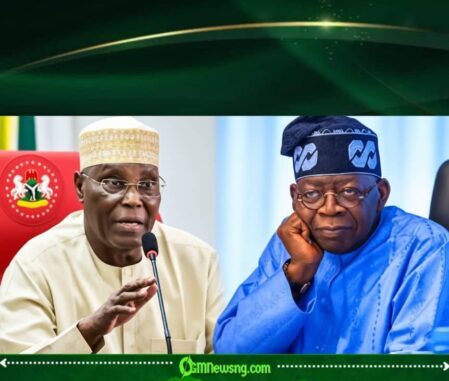








Isaac Fayose, businessman and social commentator has criticised some residents of Ekiti State over their support and campaign activities for the All Progressives Congress (APC), questioning why people facing economic difficulties would campaign for politicians they may have previously criticised.
Fayose made the remarks in a social media post that quickly attracted attention, accusing some Ekiti residents of accepting small financial incentives in exchange for political support. He described the situation in highly critical terms and questioned the motivation behind such political loyalty.
Fayose Questions Ekiti Political Loyalty
Fayose wrote that some Ekiti residents could be persuaded to campaign for their alleged “oppressor” with a payment of ₦2,000. The businessman used the word “slaves” in his criticism, turning the post into a wider commentary on poverty, political loyalty and the influence of money during election periods.
His remarks were directed at what he described as residents campaigning for the APC despite economic hardship. However, the claim that individuals were actually campaigning in exchange for ₦2,000 was Fayose’s allegation and was not independently established by the reports reviewed.
Vote Buying Debate Returns to Ekiti Politics
Fayose’s comments have also revived a broader debate about the role of financial inducements in Nigerian elections. Ahead of the 2026 Ekiti governorship election, he had previously alleged that the APC planned to engage in vote buying and called on the Economic and Financial Crimes Commission to monitor the process and arrest anyone caught inducing voters.
In another intervention during the election period, Fayose alleged that uncollected Permanent Voter Cards were being handed to APC members. That allegation was also his own claim and was not treated as an established finding of electoral authorities.
Ekiti Politics Faces Fresh Debate
Fayose’s latest intervention comes amid continuing political competition in Ekiti, where the APC and opposition parties have been mobilising supporters ahead of future electoral contests. Earlier in 2026, he also argued that a large turnout at a PDP political event demonstrated significant grassroots interest in the opposition.
His latest comments have therefore added another layer to the discussion about how economic hardship, political allegiance and campaign mobilisation interact. While Fayose has presented the issue as evidence of misplaced political loyalty, the reasons individual voters support a political party can vary and cannot be established solely from campaign appearances or social-media posts.
The controversy also raises a wider question about the relationship between economic vulnerability and electoral politics in Nigeria. As political parties intensify their mobilisation, debates over campaign inducements, accountability and the ability of voters to make independent choices are likely to remain prominent.
OGM News NG will continue to follow political developments in Ekiti and the wider debate over electoral integrity, campaign financing and voter choice ahead of subsequent elections.
Table of Contents
Discover more from OGM News NG
Subscribe to get the latest posts sent to your email.