
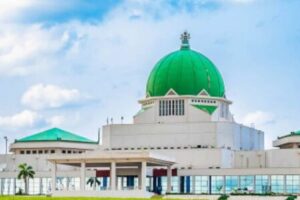






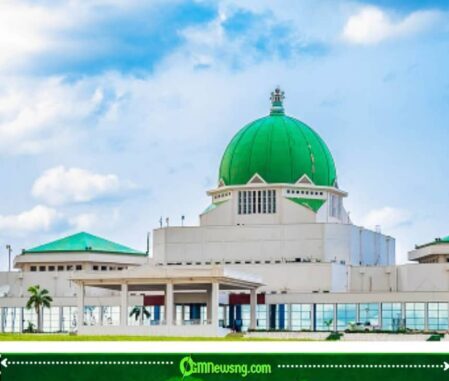
Nigeria’s lawmakers have reportedly taken another short break after spending the past 68 days on vacation, raising fresh questions about legislative schedules, public accountability and the ever-important relationship between elected officials and the citizens they represent. The development, reported by our source, has placed the National Assembly’s calendar under the spotlight, with Nigerians likely to wonder whether the nation’s pressing concerns also received a holiday invitation.
In a country where citizens rarely get a break from rising living costs, transportation expenses and everyday economic pressures, news of another legislative pause offers plenty of material for political satire. After all, while ordinary Nigerians must keep showing up to work to pay their bills, lawmakers appear to have discovered that the parliamentary calendar can sometimes offer a little extra breathing space.
National Assembly Went on Another Break
According to the supplied report, members of the National Assembly proceeded on a short break on Tuesday after being away on vacation for 68 days. The announcement is likely to draw attention because legislative recesses affect when lawmakers meet in plenary, debate proposed laws and carry out other public legislative duties. However, the precise reason for the latest break, its duration and the official resumption date would need confirmation from an official National Assembly notice.
For citizens following the development, the timing raises a familiar question: how much legislative business remains on the table? Nigeria faces numerous challenges that require sustained attention from public institutions, and the public naturally expects elected representatives to balance scheduled breaks with their constitutional responsibilities.
Nigerians Watch the Calendar as National Assembly Went On Break
Legislative recesses are not unusual in parliamentary systems, and a break does not automatically mean that every aspect of lawmakers’ work stops. Committee activities, constituency engagement and other official duties may continue depending on the circumstances. The important distinction is between a scheduled recess and an unexplained absence from public responsibilities; the available report alone does not establish that lawmakers neglected their duties during the 68-day period.
Nevertheless, the optics can be challenging when citizens are dealing with economic hardship and expecting faster action on legislation, oversight and public spending. The satire practically writes itself: for workers who must negotiate transport fares before negotiating their daily workload, the idea of another break after an extended holiday may feel like a luxury from a different planet. What Nigerians will ultimately want to know is what legislative work has been completed, what remains outstanding and when their representatives will return to plenary.
National Assembly members are entitled to scheduled recesses under the legislature’s procedures, but public expectations do not go on holiday. As the reported short break attracts attention, OGM News NG will continue to follow developments, including any official clarification of the break’s duration, the resumption date and the business awaiting lawmakers when they return.
Reports published on September 29, 2026, clarify that the House of Representatives resumed plenary after its 68-day recess and then adjourned further sittings until October 13. The National Assembly had previously extended the planned resumption from September 15 to September 29 to allow rehabilitation work in the chambers.
Table of Contents
Discover more from OGM News NG
Subscribe to get the latest posts sent to your email.